
Andarríos Solitario vs Playero de Alaska
Tringa solitaria frente a Tringa incana
Juega un quiz con Andarríos Solitario y Playero de Alaska
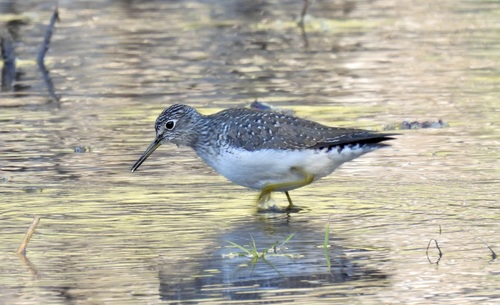 Andarríos Solitario
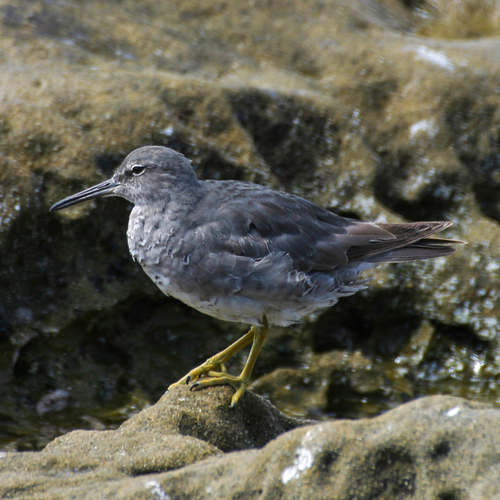 Playero de Alaska
En breve
El Andarríos Solitario y el Playero de Alaska se pueden diferenciar por sus preferencias de hábitat y detalles de plumaje. El Andarríos Solitario se encuentra más probablemente en hábitats de agua dulce, mientras que el Playero de Alaska prefiere costas rocosas. En términos de plumaje, el Andarríos Solitario tiene un anillo ocular blanco distintivo, mientras que el Playero de Alaska tiene un plumaje gris más uniforme.
Consejos de identificación
- Busca el anillo ocular blanco en el Andarríos Solitario. 2. Observa el hábitat: agua dulce para el Andarríos Solitario, costas rocosas para el Playero de Alaska. 3. Nota el contraste del plumaje: el Andarríos Solitario tiene un dorso manchado, mientras que el Playero de Alaska es más uniformemente gris.
Plumaje
El Andarríos Solitario tiene un anillo ocular blanco distintivo y un plumaje más contrastante con un dorso manchado. En contraste, el Playero de Alaska tiene un plumaje gris más uniforme con menos contraste y carece del anillo ocular blanco.
Hábitat
El Andarríos Solitario se encuentra típicamente en hábitats de agua dulce como estanques, pantanos y arroyos. Sin embargo, el Playero de Alaska se asocia más a menudo con costas rocosas y bancos de grava ribereños.
Andarríos Solitario · Playero de Alaska · Mis aves difíciles