
Solitary Sandpiper vs Wandering Tattler
Tringa solitaria contro Tringa incana
Fai un quiz con Solitary Sandpiper e Wandering Tattler
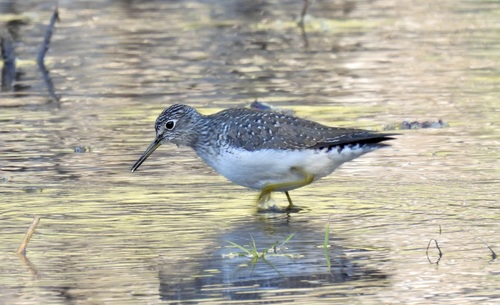 Solitary Sandpiper
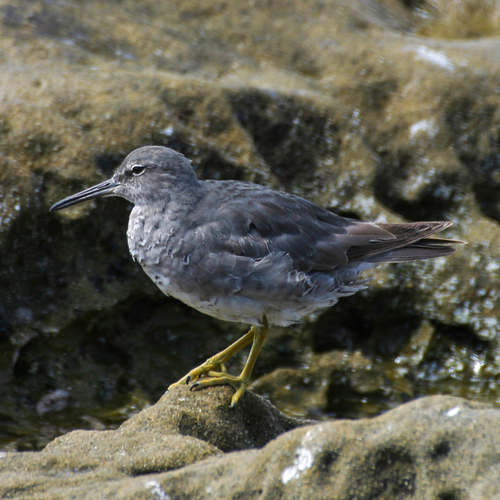 Wandering Tattler
In breve
Il Solitary Sandpiper e il Wandering Tattler possono essere differenziati dalle loro preferenze di habitat e dai dettagli del piumaggio. Il Solitary Sandpiper si trova più comunemente in habitat d'acqua dolce, mentre il Wandering Tattler preferisce le coste rocciose. In termini di piumaggio, il Solitary Sandpiper ha un anello oculare bianco distintivo, mentre il Wandering Tattler ha un piumaggio grigio più uniforme.
Consigli di identificazione
- Cerca l'anello oculare bianco sul Solitary Sandpiper. 2. Osserva l'habitat: acqua dolce per il Solitary Sandpiper, coste rocciose per il Wandering Tattler. 3. Nota il contrasto del piumaggio: il Solitary Sandpiper ha un dorso maculato, mentre il Wandering Tattler è più uniformemente grigio.
Piumaggio
Il Solitary Sandpiper ha un anello oculare bianco distintivo e un piumaggio più contrastante con un dorso maculato. Al contrario, il Wandering Tattler ha un piumaggio grigio più uniforme con meno contrasto e manca dell'anello oculare bianco.
Habitat
Il Solitary Sandpiper si trova tipicamente in habitat d'acqua dolce come stagni, paludi e corsi d'acqua. Il Wandering Tattler, invece, è più spesso associato a coste rocciose e barriere di ghiaia fluviali.
Solitary Sandpiper · Wandering Tattler · I miei uccelli difficili