
Papamoscas Gris vs Ruiseñor Ruso
Muscicapa striata frente a Luscinia luscinia
Juega un quiz con Papamoscas Gris y Ruiseñor Ruso
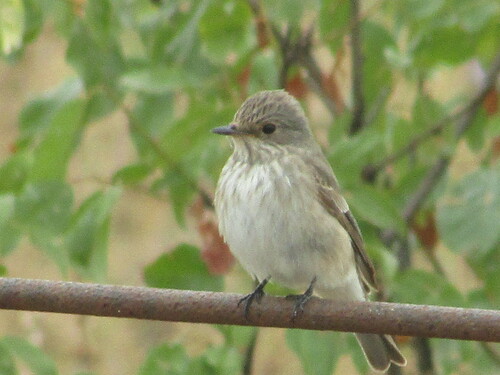 Papamoscas Gris
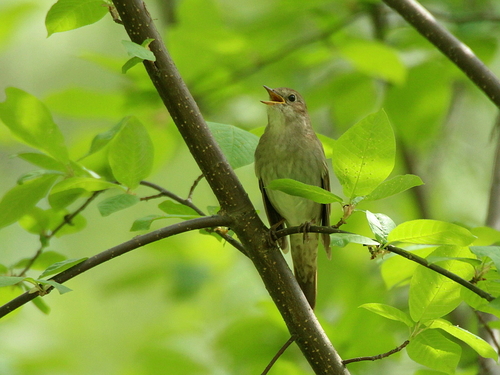 Ruiseñor Ruso
En breve
El Papamoscas Gris y el Ruiseñor Ruso se pueden distinguir principalmente por su estructura y comportamiento. El Papamoscas Gris tiene una construcción más esbelta con una cola más larga y una postura más erguida, mientras que el Ruiseñor Ruso es más robusto y a menudo se mantiene más cerca del suelo.
Consejos de identificación
- Busca la postura erguida del Papamoscas Gris y sus frecuentes sallies aéreas.
- Nota la preferencia del Ruiseñor Ruso por la cobertura densa y su construcción más robusta.
- Verifica si hay marcas tenues en el pecho del Papamoscas Gris, ausentes en el Ruiseñor Ruso.
Tamaño
El Papamoscas Gris es generalmente más esbelto, mientras que el Ruiseñor Ruso es más robusto.
Plumaje
Ambas especies tienen plumaje relativamente sencillo, pero el Papamoscas Gris a menudo muestra marcas tenues en el pecho, que el Ruiseñor Ruso carece.
Comportamiento
Los Papamoscas Grises suelen posarse en áreas abiertas, haciendo sallies cortas para atrapar insectos, mientras que los Ruiseñores Rusos son más secretos, a menudo ocultándose en la densa maleza.
Hábitat
Los Papamoscas Grises se encuentran a menudo en bosques abiertos y jardines, mientras que los Ruiseñores Rusos prefieren áreas densas y arbustivas.