
Ruiseñor Ruso vs Ruiseñor Común
Luscinia luscinia frente a Luscinia megarhynchos
Juega un quiz con Ruiseñor Ruso y Ruiseñor Común
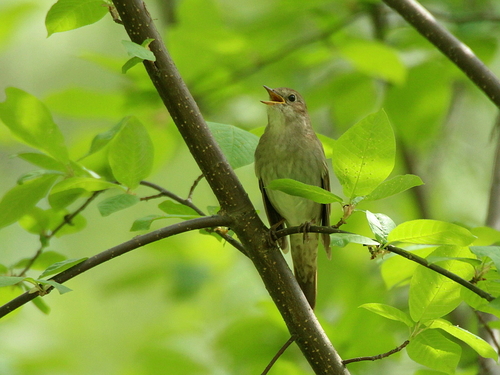 Ruiseñor Ruso
 Ruiseñor Común
En breve
El Ruiseñor Ruso y el Ruiseñor Común son similares en apariencia, pero se pueden distinguir por sus vocalizaciones y sutiles diferencias en el plumaje. El Ruiseñor Ruso tiende a tener un plumaje marrón más uniforme, mientras que el Ruiseñor Común tiene una cola marrón oxidada y un anillo ocular pálido. Ambas especies se escuchan más a menudo que se ven, ya que prefieren la cobertura densa.
Consejos de identificación
- Escucha el canto: el canto del Ruiseñor Común es más variado y potente. 2. Busca la cola marrón oxidada y el anillo ocular pálido del Ruiseñor Común. 3. Nota el hábitat: ambas especies prefieren la cobertura densa, lo que hace que la identificación visual sea un desafío.
Plumaje
El Ruiseñor Ruso tiene partes superiores marrones lisas y partes inferiores pálidas, mientras que el Ruiseñor Común presenta una cola marrón oxidada y un anillo ocular pálido. Ambas especies tienen una apariencia generalmente marrón, pero el Ruiseñor Común puede mostrar un lavado amarillento en sus partes inferiores.
Comportamiento
Ambas especies se escuchan a menudo pero rara vez se ven, ya que prefieren permanecer en una cobertura profunda mientras cantan. Este comportamiento puede hacer que sean difíciles de detectar incluso cuando están cerca.
Voz
El Ruiseñor Común es conocido por su canto potente y variado, mientras que el canto del Ruiseñor Ruso es típicamente menos variado y más sutil.