
Zorzalito Maculado vs Zorzal Cuelliblanco Norteño
Hylocichla mustelina frente a Turdus assimilis
Juega un quiz con Zorzalito Maculado y Zorzal Cuelliblanco Norteño
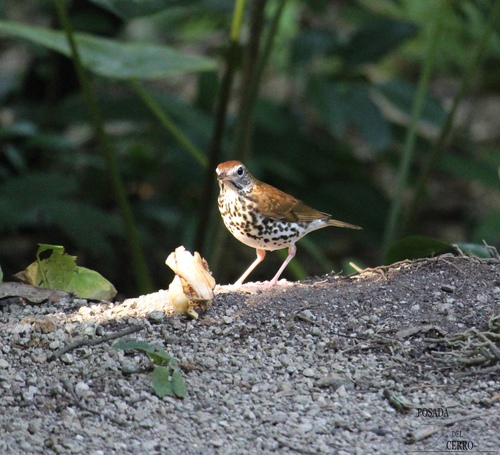 Zorzalito Maculado
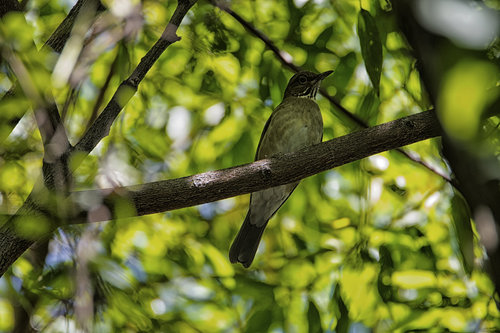 Zorzal Cuelliblanco Norteño
En breve
El Zorzalito Maculado y el Zorzal Cuelliblanco Norteño se pueden distinguir por su plumaje y preferencias de hábitat. El Zorzalito Maculado tiene una apariencia más uniforme con manchas audaces en su pecho, mientras que el Zorzal Cuelliblanco Norteño presenta un distintivo 'collar' blanco en la parte superior del pecho. El hábitat también juega un papel, ya que el Zorzalito Maculado prefiere los bosques de hoja caduca y el Zorzal Cuelliblanco Norteño se encuentra a menudo en bosques húmedos y hábitats variados durante las temporadas no reproductivas.
Consejos de identificación
Busque las audaces manchas negras en el pecho del Zorzalito Maculado y el 'collar' blanco en el Zorzal Cuelliblanco Norteño. Considere el hábitat: los Zorzalitos Maculados son más probables en bosques de hoja caduca, mientras que los Zorzales Cuelliblancos Norteños se encuentran en hábitats más variados, especialmente en temporadas no reproductivas.
Plumaje
El Zorzalito Maculado tiene un dorso marrón cálido y un vientre blanco con audaces manchas negras en el pecho. En contraste, el Zorzal Cuelliblanco Norteño es conocido por su 'collar' blanco en la parte superior del pecho, que puede parecer más como un creciente, y su plumaje puede variar de gris a marrón, a veces casi negro.
Hábitat
El Zorzalito Maculado se encuentra típicamente en bosques de hoja caduca, mientras que el Zorzal Cuelliblanco Norteño cría en bosques húmedos de laderas y montañas, y durante las temporadas no reproductivas, se puede encontrar en una variedad de hábitats, incluyendo plantaciones de café y jardines suburbanos.
Zorzalito Maculado · Zorzal Cuelliblanco Norteño · Mis aves difíciles