
tordo-dos-bosques vs white-throated thrush
Hylocichla mustelina versus Turdus assimilis
Jogue um quiz com tordo-dos-bosques e white-throated thrush
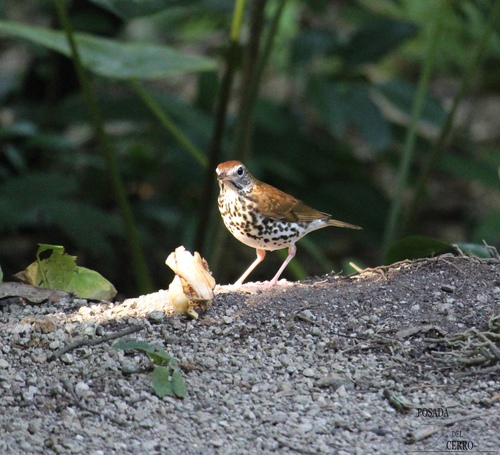 tordo-dos-bosques
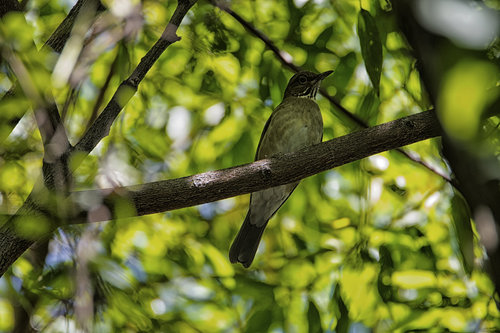 white-throated thrush
Em resumo
O tordo-dos-bosques e o white-throated thrush podem ser distinguidos por sua plumagem e preferências de habitat. O tordo-dos-bosques tem uma aparência mais uniforme com manchas ousadas em seu peito, enquanto o white-throated thrush apresenta um distinto 'colar' branco na parte superior do peito. O habitat também desempenha um papel, com o tordo-dos-bosques preferindo florestas decíduas e o white-throated thrush frequentemente encontrado em florestas úmidas e habitats variados durante as estações não reprodutivas.
Dicas de identificação
Procure as ousadas manchas pretas no peito do tordo-dos-bosques e o 'colar' branco no white-throated thrush. Considere o habitat: os tordos-dos-bosques são mais prováveis de serem encontrados em florestas decíduas, enquanto os white-throated thrushes são encontrados em habitats mais variados, especialmente nas estações não reprodutivas.
Plumagem
O tordo-dos-bosques tem um dorso marrom quente e um ventre branco com ousadas manchas pretas no peito. Em contraste, o white-throated thrush é conhecido por seu 'colar' branco na parte superior do peito, que pode parecer mais como um crescente, e sua plumagem pode variar de cinza a marrom, às vezes quase preta.
Habitat
O tordo-dos-bosques é tipicamente encontrado em florestas decíduas, enquanto o white-throated thrush se reproduz em florestas úmidas de encostas e montanhas, e durante as estações não reprodutivas, pode ser encontrado em uma variedade de habitats, incluindo plantações de café e jardins suburbanos.
tordo-dos-bosques · white-throated thrush · Minhas aves difíceis