
Corneille d'Amérique vs Plectrophane lapon
Corvus brachyrhynchos contre Calcarius lapponicus
Faire un quiz avec Corneille d'Amérique et Plectrophane lapon
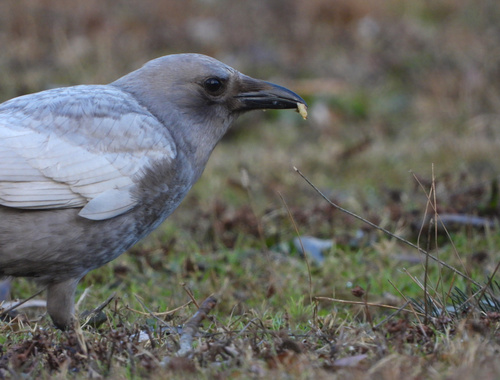 Corneille d'Amérique
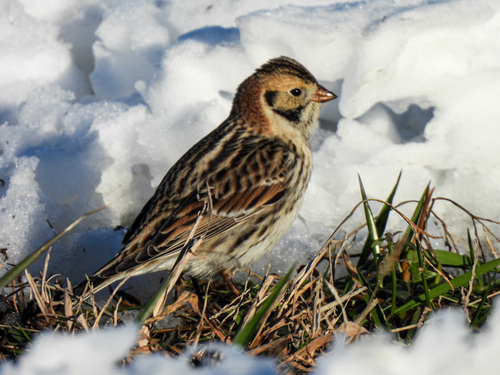 Plectrophane lapon
En bref
La Corneille d'Amérique et le Plectrophane lapon se distinguent facilement par leur taille et leur forme : la corneille est un grand oiseau noir, tandis que le plectrophane est un petit oiseau ressemblant à un moineau avec des motifs de plumage distinctifs. Observer leur comportement et leur habitat peut également aider à l'identification.
Conseils d’identification
Taille et forme : Cherchez un grand oiseau noir pour la corneille contre un petit oiseau à motifs pour le plectrophane. Plumage : Noir uniforme pour la corneille, strié et à motifs pour le plectrophane. Vocalisation : Écoutez le 'caw' de la corneille contre le chant mélodieux du plectrophane. Habitat : Considérez l'environnement ; les corneilles sont polyvalentes, les plectrophanes préfèrent les zones ouvertes, semblables à la toundra.
Taille
La Corneille d'Amérique est significativement plus grande que le Plectrophane lapon, avec un corps robuste et un bec fort, tandis que le plectrophane est petit et délicat.
Plumage
La Corneille d'Amérique est uniformément noire, tandis que le Plectrophane lapon a un motif complexe avec un plumage strié brun et blanc, souvent avec un motif facial distinctif.
Comportement
Les Corneilles d'Amérique sont souvent vues en groupes et sont très sociales, tandis que les Plectrophanes lapons sont plus solitaires ou se trouvent en petits groupes pendant la migration.
Habitat
Les Corneilles d'Amérique sont adaptables et se trouvent dans une variété d'habitats, y compris les zones urbaines, tandis que les Plectrophanes lapons se trouvent généralement dans la toundra et les champs ouverts pendant la reproduction et la migration.
Voix
Les Corneilles d'Amérique ont un 'caw' distinctif qui est fort et dur, contrastant avec le chant plus mélodieux et varié du Plectrophane lapon.
Corneille d'Amérique · Plectrophane lapon · Mes oiseaux difficiles