
Paruline flamboyante vs Paruline tigrée
Setophaga ruticilla contre Setophaga tigrina
Faire un quiz avec Paruline flamboyante et Paruline tigrée
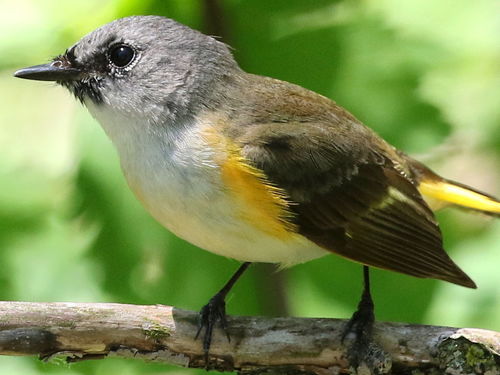 Paruline flamboyante
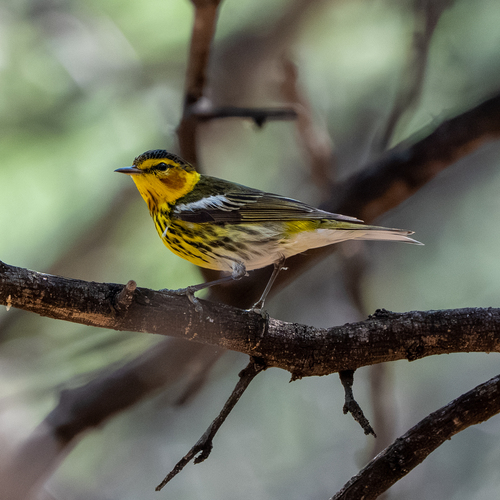 Paruline tigrée
En bref
La Paruline flamboyante et la Paruline tigrée peuvent être distinguées par leur plumage et leur comportement. La Paruline flamboyante a des 'motifs de flash' distinctifs avec des taches jaunes vives sur ses ailes et sa queue, tandis que la Paruline tigrée présente une poitrine jaune striée de noir et des taches auriculaires châtaigne. Comportementalement, la Paruline flamboyante est connue pour son style de recherche actif, souvent en éventail sa queue.
Conseils d’identification
Recherchez les 'motifs de flash' jaunes vifs de la Paruline flamboyante sur les ailes et la queue, surtout lorsque l'oiseau est en mouvement. Pour la Paruline tigrée, notez la poitrine jaune avec des stries noires et des taches auriculaires châtaigne. Faites attention au comportement actif d'éventail de la queue de la Paruline flamboyante comme indice comportemental.
Plumage
La Paruline flamboyante présente des taches jaunes vives sur ses ailes et sa queue, particulièrement visibles lorsqu'elles sont éventées. En revanche, la Paruline tigrée a une poitrine jaune avec des stries noires et des taches auriculaires châtaigne. Les femelles et les immatures des deux espèces sont moins colorées, mais la poitrine striée de la Paruline tigrée reste un élément clé de différenciation.
Comportement
La Paruline flamboyante est connue pour son comportement de recherche actif, souvent en éventail sa queue pour faire fuir les insectes. Ce comportement est moins typique de la Paruline tigrée, qui est plus associée à l'alimentation sur les vers de bourgeons d'épinette.
Paruline flamboyante · Paruline tigrée · Mes oiseaux difficiles