
mariquita-de-rabo-vermelho vs mariquita-do-cabo-may
Setophaga ruticilla versus Setophaga tigrina
Jogue um quiz com mariquita-de-rabo-vermelho e mariquita-do-cabo-may
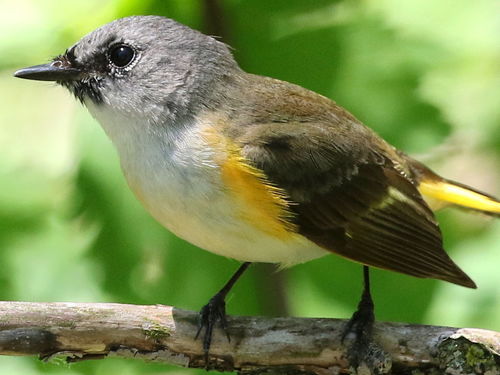 mariquita-de-rabo-vermelho
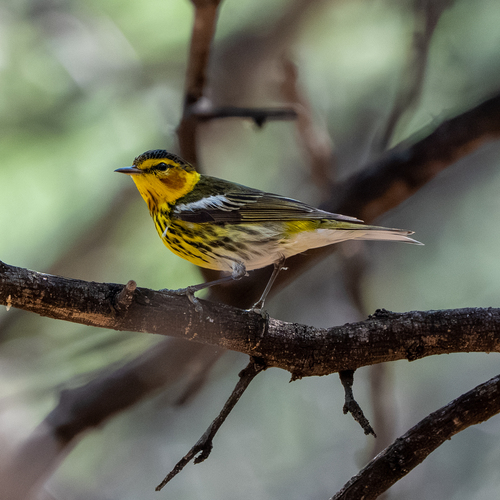 mariquita-do-cabo-may
Em resumo
A mariquita-de-rabo-vermelho e a mariquita-do-cabo-may podem ser distinguidas por sua plumagem e comportamento. A mariquita-de-rabo-vermelho possui 'padrões de flash' distintos com manchas amarelas brilhantes em suas asas e cauda, enquanto a mariquita-do-cabo-may apresenta um peito amarelo riscado de preto e manchas auriculares castanhas. Comportamentalmente, a mariquita-de-rabo-vermelho é conhecida por seu estilo de forrageio ativo, frequentemente abrindo sua cauda.
Dicas de identificação
Procure pelos 'padrões de flash' amarelos brilhantes da mariquita-de-rabo-vermelho nas asas e cauda, especialmente quando o pássaro está em movimento. Para a mariquita-do-cabo-may, note o peito amarelo com riscas pretas e manchas auriculares castanhas. Preste atenção ao comportamento ativo de abrir a cauda da mariquita-de-rabo-vermelho como uma pista comportamental.
Plumagem
A mariquita-de-rabo-vermelho apresenta manchas amarelas brilhantes em suas asas e cauda, especialmente notáveis quando abertas. Em contraste, a mariquita-do-cabo-may tem um peito amarelo com riscas pretas e manchas auriculares castanhas. Fêmeas e imaturos de ambas as espécies são menos coloridos, mas o peito riscado da mariquita-do-cabo-may continua sendo um diferenciador chave.
Comportamento
A mariquita-de-rabo-vermelho é conhecida por seu comportamento ativo de forrageio, frequentemente abrindo sua cauda para assustar insetos. Esse comportamento é menos típico da mariquita-do-cabo-may, que está mais associada à alimentação de lagartas de brotos de abeto.
mariquita-de-rabo-vermelho · mariquita-do-cabo-may · Minhas aves difíceis