Birdr

Bruant masqué vs Bruant roux

Emberiza spodocephala contre Emberiza rutila

Faire un quiz avec Bruant masqué et Bruant roux
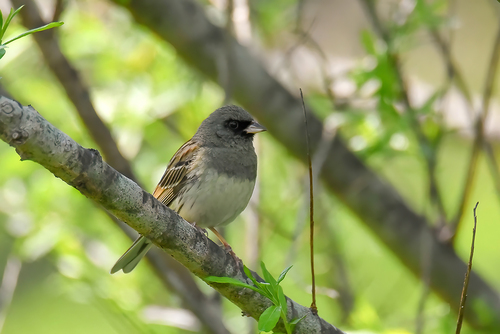
Bruant masqué (Emberiza spodocephala) Bruant masqué
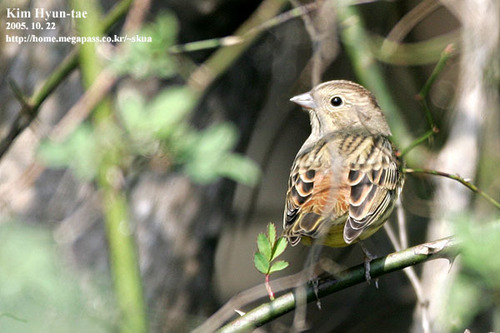
Bruant roux (Emberiza rutila) Bruant roux

Médias

Chargement…

En bref

Le Bruant masqué et le Bruant roux peuvent être distingués par leur plumage et la structure de leur bec. Les Bruants masqués ont une apparence très striée et un bec relativement léger, tandis que les Bruants roux se distinguent par leurs parties supérieures brun riche avec de larges stries noires.

Conseils d’identification

1. Structure du bec : Recherchez le bec léger du Bruant masqué par rapport aux autres bruants. 2. Plumage : Notez l'apparence très striée du Bruant masqué par rapport aux parties supérieures brun riche avec de larges stries noires du Bruant roux. 3. Couleur des parties inférieures : Les Bruants masqués ont des parties inférieures blanchâtres ou jaunes, tandis que les parties inférieures des Bruants roux deviennent un jaune plus saturé en se dirigeant vers l'est.

Plumage

Les Bruants masqués ont une apparence très striée avec des parties inférieures blanchâtres ou jaunes, et un bec léger. Les Bruants roux ont des parties supérieures brun riche avec de larges stries noires et peuvent avoir des parties inférieures d'un jaune plus saturé en se dirigeant vers l'est.

Envoyer une meilleure description

Utilise les mêmes sections que la comparaison. Ton texte est publié tout de suite.

The Black-faced Bunting and Chestnut Bunting can be distinguished by their plumage and bill structure. Black-faced Buntings have a very streaked appearance and a comparatively slight bill, while Chestnut Buntings are noted for their rich brown upperparts with broad black streaking.

1. Bill Structure: Look for the slight bill of the Black-faced Bunting compared to other buntings. 2. Plumage: Note the very streaked appearance of the Black-faced Bunting versus the rich brown upperparts with broad black streaking of the Chestnut Bunting. 3. Underparts Color: Black-faced Buntings have whitish or yellow underparts, whereas Chestnut Buntings' underparts become more saturated yellow moving east.

Black-faced Buntings have a very streaked appearance with whitish or yellow underparts, and a slight bill. Chestnut Buntings have rich brown upperparts with broad black streaking and may have a more saturated yellow underparts as one moves east.

Abandonner tes modifications ?

Tu as des modifications non enregistrées. Si tu pars maintenant, elles seront perdues.

Bruant masqué · Bruant roux · Mes oiseaux difficiles