
Gonolek à front noir vs Serin bifascié
Chlorophoneus nigrifrons contre Crithagra leucoptera
Faire un quiz avec Gonolek à front noir et Serin bifascié
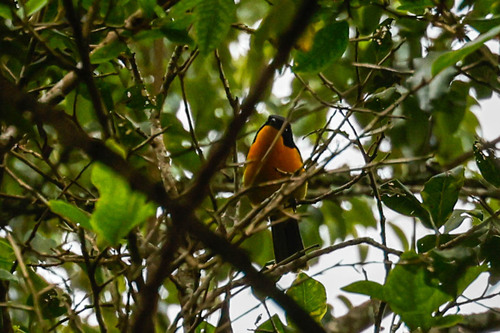 Gonolek à front noir
 Serin bifascié
En bref
La forme du bec est le marqueur de terrain le plus fiable : le Gonolek à front noir a un bec plus crochu typique des pie-grièches, tandis que le Serin bifascié a un bec conique adapté à l'alimentation des graines. Ces espèces diffèrent également par leur préférence d'habitat, le gonolek se trouvant dans des zones forestières et le serin dans des habitats ouverts.
Conseils d’identification
- Forme du bec : Recherchez le bec crochu du Gonolek à front noir par rapport au bec conique du Serin bifascié.
- Habitat : Considérez l'environnement ; les gonoleks se trouvent dans les forêts, les serins dans les zones ouvertes.
Habitat
Les Gonoleks à front noir se trouvent généralement dans des zones forestières, tandis que les Serins bifasciés préfèrent des habitats ouverts tels que les prairies et les broussailles.
Gonolek à front noir · Serin bifascié · Mes oiseaux difficiles