
Reichenowbosklauwier vs Witbandkanarie
Chlorophoneus nigrifrons versus Crithagra leucoptera
Speel een quiz met Reichenowbosklauwier en Witbandkanarie
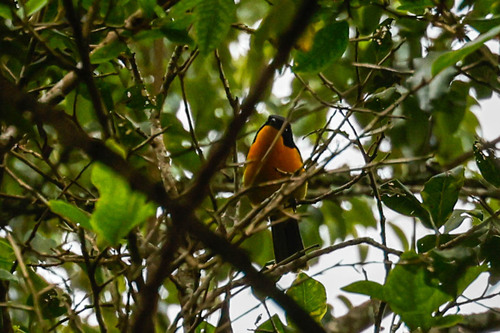 Reichenowbosklauwier
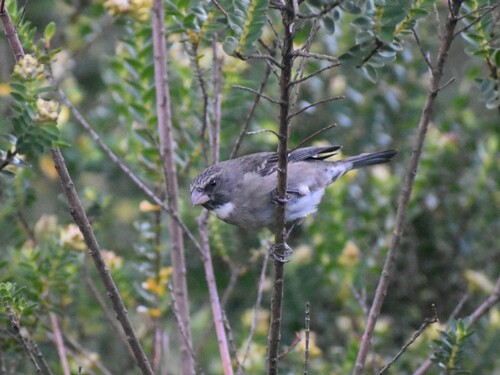 Witbandkanarie
Kort gezegd
De snavelvorm is het meest betrouwbare veldkenmerk: de Reichenowbosklauwier heeft een meer haakvormige snavel die typisch is voor klauwieren, terwijl de Witbandkanarie een conische snavel heeft die geschikt is voor het eten van zaden. Deze soorten verschillen ook in habitatvoorkeur, met de bosklauwier die in bosrijke gebieden voorkomt en de kanarie in open habitats.
Herkenningstips
- Snavelvorm: Let op de haakvormige snavel van de Reichenowbosklauwier versus de conische snavel van de Witbandkanarie.
- Habitat: Overweeg de omgeving; bosklauwieren zijn in bossen, kanaries in open gebieden.
Habitat
Reichenowbosklauwieren worden typisch aangetroffen in bosrijke gebieden, terwijl Witbandkanaries de voorkeur geven aan open habitats zoals graslanden en struikgebieden.