
Microbate à long bec vs Tohi oreillard
Ramphocaenus melanurus contre Melozone leucotis
Faire un quiz avec Microbate à long bec et Tohi oreillard
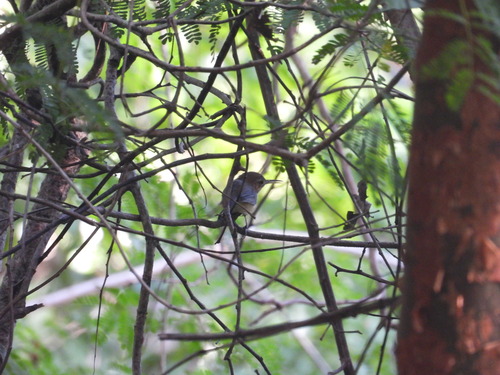 Microbate à long bec
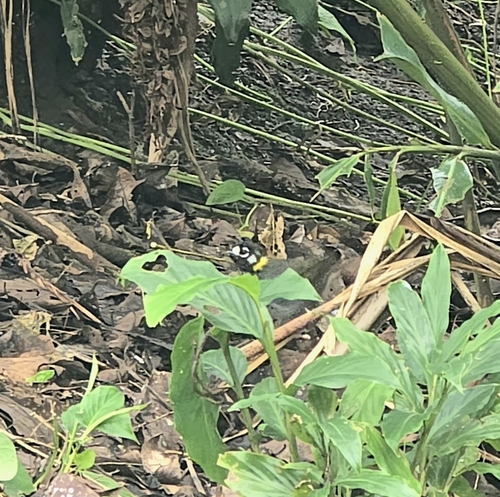 Tohi oreillard
En bref
Le Microbate à long bec et le Tohi oreillard diffèrent principalement par leurs préférences d'habitat et leur comportement. Le Microbate est généralement trouvé caché dans une végétation dense, tandis que le Tohi est plus souvent vu sur ou près du sol. Leurs vocalisations diffèrent également, le Microbate ayant un chant trillé et saccadé.
Conseils d’identification
Cherchez le Microbate à long bec dans une végétation dense et écoutez son chant trillé. Le Tohi oreillard est plus susceptible d'être vu sur ou près du sol dans des zones ouvertes.
Comportement
Le Microbate à long bec a tendance à rester caché dans des enchevêtrements denses de végétation, souvent bien au-dessus du sol. En revanche, le Tohi oreillard est plus terrestre, souvent vu en train de chercher de la nourriture sur ou près du sol.
Habitat
Le Microbate à long bec se trouve généralement dans une végétation dense, tandis que le Tohi oreillard est plus susceptible d'être trouvé dans des zones ouvertes ou près du sol.
Voix
Le Microbate à long bec est mieux localisé par son chant trillé et saccadé, qui contraste avec les vocalisations du Tohi oreillard.
Microbate à long bec · Tohi oreillard · Mes oiseaux difficiles