
Jabiru d'Afrique vs Tchagra du Cap
Ephippiorhynchus senegalensis contre Tchagra tchagra
Faire un quiz avec Jabiru d'Afrique et Tchagra du Cap
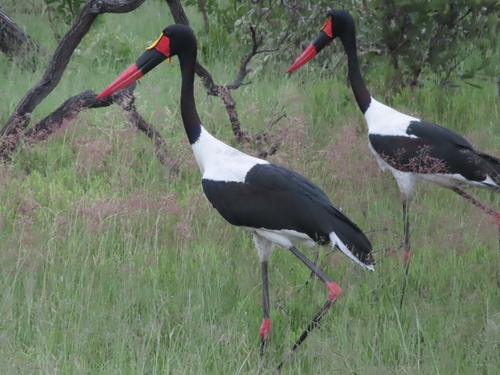 Jabiru d'Afrique
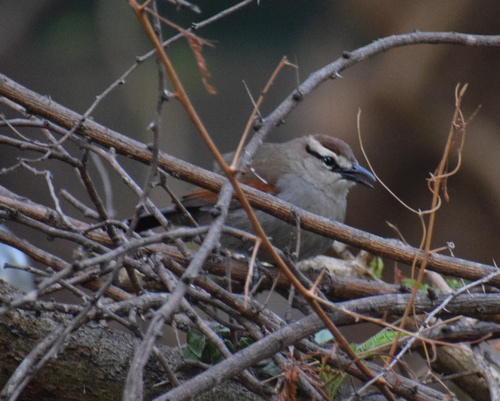 Tchagra du Cap
En bref
Le Jabiru d'Afrique et le Tchagra du Cap se distinguent facilement par leur taille et leurs préférences d'habitat. Le Jabiru d'Afrique est un grand oiseau de rivage avec un plumage noir et blanc frappant et un bec rouge et noir distinctif, tandis que le Tchagra du Cap est un oiseau beaucoup plus petit avec une coloration plus discrète et une préférence pour les habitats buissonnants.
Conseils d’identification
Recherchez la grande taille et le bec frappant du Jabiru d'Afrique dans les zones humides. En revanche, le Tchagra du Cap est beaucoup plus petit et se trouve dans des habitats buissonnants, manquant du plumage et du bec audacieux de la cigogne.
Taille
Le Jabiru d'Afrique est significativement plus grand que le Tchagra du Cap, avec une présence imposante en tant qu'oiseau de rivage par rapport au petit Tchagra de la taille d'un moineau.
Plumage
Le Jabiru d'Afrique présente un plumage noir et blanc audacieux avec un bec rouge et noir frappant. En revanche, le Tchagra du Cap a un plumage plus atténué, manquant du contraste noir et blanc frappant et de la coloration distinctive du bec.
Habitat
Le Jabiru d'Afrique se trouve généralement dans les zones humides et les zones d'eau libre, tandis que le Tchagra du Cap préfère les habitats buissonnants et broussailleux.