
African Snipe vs Piro piro boschereccio
Gallinago nigripennis contro Tringa glareola
Fai un quiz con African Snipe e Piro piro boschereccio
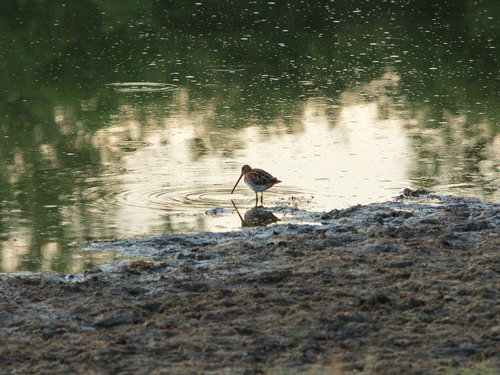 African Snipe
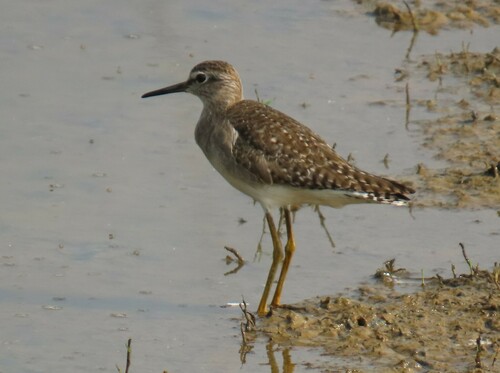 Piro piro boschereccio
In breve
Il African Snipe e il Piro piro boschereccio possono essere distinti dalla loro struttura e comportamento. L'African Snipe ha una corporatura più corta e robusta con un lungo becco dritto, mentre il Piro piro boschereccio è più snello con un becco di lunghezza media, leggermente ricurvo. Comportamentalmente, l'African Snipe è più probabile che venga visto in vegetazione densa e paludosa, mentre il Piro piro boschereccio preferisce habitat acquatici aperti e poco profondi.
Consigli di identificazione
Guarda la forma del becco: l'African Snipe ha un lungo becco dritto, mentre quello del Piro piro boschereccio è di lunghezza media e leggermente ricurvo. Osserva l'habitat: l'African Snipe si trova in paludi dense; il Piro piro boschereccio è in acque aperte e poco profonde. Nota il piumaggio: l'African Snipe è più criptico; il Piro piro boschereccio ha un distintivo sopracciglio bianco.
Taglia
L'African Snipe è generalmente più robusto e massiccio rispetto al snello Piro piro boschereccio.
Piumaggio
L'African Snipe ha tipicamente un piumaggio più criptico e maculato adatto al camuffamento in ambienti paludosi, mentre il Piro piro boschereccio ha un aspetto più uniforme e maculato con un distintivo sopracciglio bianco.
Comportamento
Gli African Snipes vengono spesso visti muoversi furtivamente nella vegetazione densa, mentre i Piro piro boscherecci sono più attivi e visibili in aree aperte, spesso visti guadare in acque poco profonde.
Habitat
Gli African Snipes preferiscono habitat densi e paludosi, mentre i Piro piro boscherecci si trovano in corpi d'acqua aperti e poco profondi come stagni e campi allagati.
African Snipe · Piro piro boschereccio · I miei uccelli difficili