
Pollo sultano di Allen vs Watercock
Porphyrio alleni contro Gallicrex cinerea
Fai un quiz con Pollo sultano di Allen e Watercock
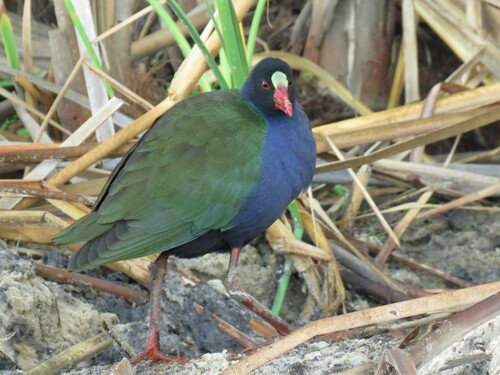 Pollo sultano di Allen
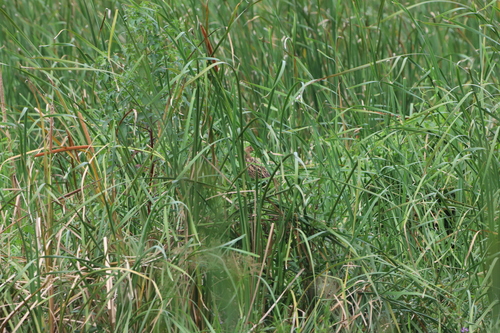 Watercock
In breve
Il segno distintivo più affidabile per distinguere il Pollo sultano di Allen dal Watercock è la loro struttura e colore del becco. Il Pollo sultano di Allen ha un becco più corto e robusto con una base rossa distintiva, mentre il Watercock presenta un becco più lungo e snodato che è giallastro con una base rossa solo durante la stagione di riproduzione.
Consigli di identificazione
- Struttura e colore del becco: Il Pollo sultano di Allen ha un becco più corto e robusto con una base rossa, mentre il Watercock ha un becco più lungo e snodato con una tonalità giallastra e base rossa durante la riproduzione.
- Dimensione: Il Watercock è più grande e robusto.
- Piumaggio: Il Pollo sultano di Allen è più vivace con toni verdi e blu, rispetto al piumaggio più tenue del Watercock.
Taglia
Il Watercock è generalmente più grande e robusto del Pollo sultano di Allen.
Piumaggio
Il Pollo sultano di Allen ha un piumaggio più vivace con un mix di toni verdi e blu, mentre il Watercock tende ad avere un aspetto più tenue e bruno.
Pollo sultano di Allen · Watercock · I miei uccelli difficili