
American Three-toed Woodpecker vs Black-backed Woodpecker
Picoides dorsalis contro Picoides arcticus
Fai un quiz con American Three-toed Woodpecker e Black-backed Woodpecker
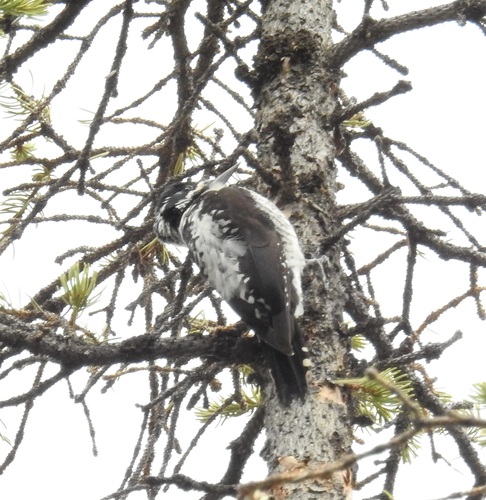 American Three-toed Woodpecker
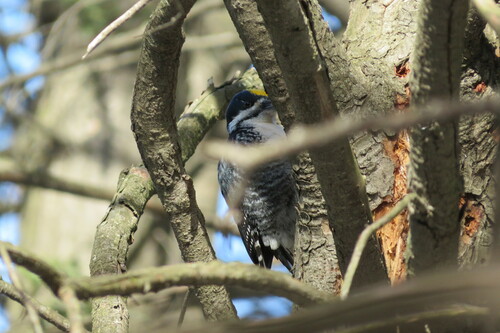 Black-backed Woodpecker
In breve
Il American Three-toed Woodpecker e il Black-backed Woodpecker sono entrambi specie a tre dita che si trovano nelle foreste del Nord America. Il segno distintivo più affidabile è il piumaggio: il Black-backed Woodpecker ha una schiena nera fuligginosa distintiva, mentre il American Three-toed Woodpecker ha un motivo più barrato sulla schiena. Entrambe le specie hanno una macchia gialla sulla corona nei maschi, ma i loro comportamenti di foraggiamento differiscono, con il American Three-toed che scala la corteccia e il Black-backed che scava più in profondità nel legno.
Consigli di identificazione
- Cerca la schiena nera fuligginosa del Black-backed Woodpecker rispetto alla schiena barrata del American Three-toed Woodpecker.
- Osserva il comportamento di foraggiamento: il American Three-toed scala la corteccia, mentre il Black-backed scava nel legno.
- Ascolta il distintivo richiamo Scream-Rattle-Snarl del Black-backed.
Piumaggio
Il Black-backed Woodpecker ha una schiena nera fuligginosa che lo camuffa contro gli alberi bruciati, mentre il American Three-toed Woodpecker ha un motivo più barrato sulla schiena. Entrambe le specie hanno una macchia gialla sulla corona nei maschi.
Comportamento
Il American Three-toed Woodpecker si nutre scalando la corteccia degli alberi in cerca di coleotteri della corteccia, mentre il Black-backed Woodpecker scava più in profondità nel legno per trovare le larve dei coleotteri scavatore.
Habitat
Il American Three-toed Woodpecker si trova generalmente nelle foreste di abete e si riproduce più a nord, mentre il Black-backed Woodpecker è associato a paesaggi che subiscono incendi regolari e disturbi forestali su larga scala.
Voce
Il Black-backed Woodpecker è noto per il suo distintivo richiamo Scream-Rattle-Snarl, che è uno dei più complessi tra i picchi.
American Three-toed Woodpecker · Black-backed Woodpecker · I miei uccelli difficili