Birdr

Anhinga vs Sagebrush Sparrow

Anhinga anhinga contro Artemisiospiza nevadensis

Fai un quiz con Anhinga e Sagebrush Sparrow
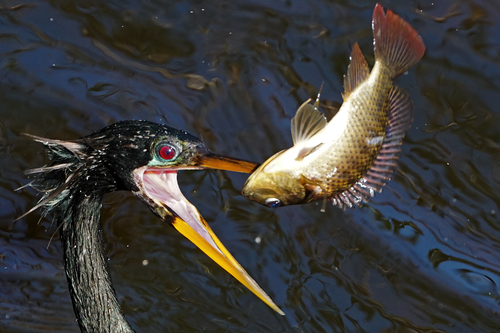
Anhinga (Anhinga anhinga) Anhinga
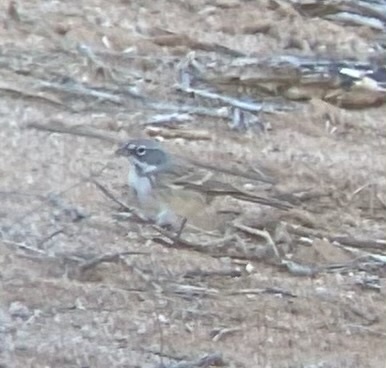
Sagebrush Sparrow (Artemisiospiza nevadensis) Sagebrush Sparrow

Media

Caricamento…

In breve

Anhinga e Sagebrush Sparrow sono distinti nell'aspetto e nell'habitat. Anhinga è un uccello acquatico con un lungo collo e uno stile di nuoto sommerso, mentre Sagebrush Sparrow è un piccolo uccello terrestre che si trova in ambienti aridi. Queste differenze li rendono facilmente distinguibili sul campo.

Consigli di identificazione

Controlla prima l'habitat: Anhinga sarà vicino all'acqua, Sagebrush Sparrow in aree secche e aperte. Osserva dimensioni e forma: Anhinga è molto più grande con un lungo collo, mentre il passero è piccolo e terrestre. Guarda il comportamento: Anhinga nuota con il corpo sommerso; Sagebrush Sparrow cerca cibo a terra.

Taglia

Anhinga è significativamente più grande dello Sagebrush Sparrow, con un lungo collo e un corpo adattato alla vita acquatica.

Piumaggio

Anhinga ha un piumaggio bagnabile che aiuta nella caccia sott'acqua, apparendo spesso con solo la testa e il collo sopra l'acqua. Sagebrush Sparrow ha un aspetto più tipico di un passero senza tali adattamenti.

Comportamento

Anhinga è spesso visto nuotare con il corpo sommerso e solo la testa e il collo visibili, mentre Sagebrush Sparrow è un uccello terrestre che cerca cibo sulla terra.

Habitat

Anhinga si trova in ambienti acquatici, spesso in acque poco profonde con vegetazione densa. Sagebrush Sparrow abita aree aride e aperte con artemisia.

Invia una descrizione migliore

Usa le stesse sezioni del confronto. Il testo viene pubblicato subito.

Anhinga and Sagebrush Sparrow are distinct in appearance and habitat. Anhinga is a waterbird with a long neck and submerged swimming style, while Sagebrush Sparrow is a small, terrestrial bird found in arid environments. These differences make them easily distinguishable in the field.

Check habitat first: Anhinga will be near water, Sagebrush Sparrow in dry, open areas. Observe size and shape: Anhinga is much larger with a long neck, while the sparrow is small and terrestrial. Look for behavior: Anhinga swims with a submerged body; Sagebrush Sparrow forages on the ground.

Anhinga is significantly larger than the Sagebrush Sparrow, with a long neck and body adapted for aquatic life.

Anhinga has wettable plumage that aids in underwater hunting, often appearing with only its head and neck above water. Sagebrush Sparrow has a more typical sparrow appearance with no such adaptations.

Anhinga is often seen swimming with its body submerged and only its head and neck visible, while Sagebrush Sparrow is a ground-dwelling bird that forages on land.

Anhinga is found in aquatic environments, often in shallow waters with dense vegetation. Sagebrush Sparrow inhabits arid, open areas with sagebrush.

Scartare le modifiche?

Hai modifiche non salvate. Se esci ora, andranno perse.

Anhinga · Sagebrush Sparrow · I miei uccelli difficili