Birdr

Anhinga vs Sagebrush Sparrow

Anhinga anhinga versus Artemisiospiza nevadensis

Play a quiz with Anhinga and Sagebrush Sparrow
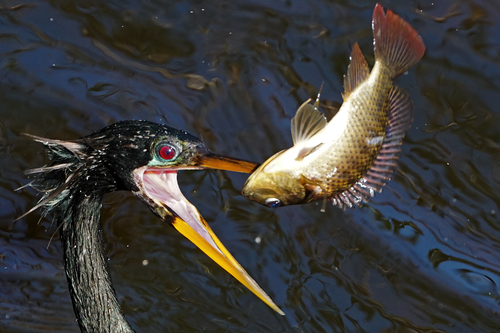
Anhinga (Anhinga anhinga) Anhinga
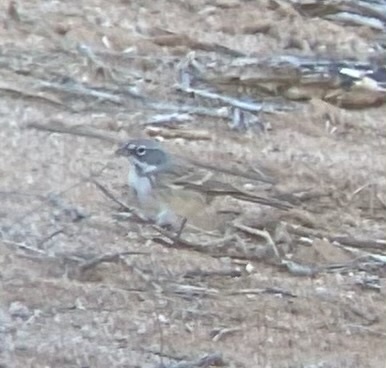
Sagebrush Sparrow (Artemisiospiza nevadensis) Sagebrush Sparrow

Media

Loading…

In short

Anhinga and Sagebrush Sparrow are vastly different in appearance and habitat. Anhinga, known as the 'snake bird', is a large, aquatic bird with a long neck and often seen drying its wings. In contrast, the Sagebrush Sparrow is a small, terrestrial bird, often found running between shrubs in arid environments.

Identification tips

1. Size and Habitat: Anhinga is large and found near water, while Sagebrush Sparrow is small and found in dry, shrubby areas. 2. Behavior: Look for Anhinga's unique swimming style and wing-drying posture. Sagebrush Sparrow is more likely to be seen darting between shrubs. 3. Plumage: Note Anhinga's dark, glossy feathers and long neck versus the sparrow's muted gray-brown tones and white throat.

Size

Anhinga is much larger than the Sagebrush Sparrow, with a wingspan that can reach over a meter, while the sparrow is small and compact.

Plumage

Anhinga has dark, glossy plumage with a distinctive snakelike neck, often appearing wet. Sagebrush Sparrow is much more subdued, with gray and brown tones and a distinct white throat and eye-ring.

Behaviour

Anhinga is often seen swimming with just its neck above water or perched with wings spread to dry. Sagebrush Sparrow is terrestrial, often seen running on the ground and rarely perching in open view.

Habitat

Anhinga inhabits freshwater wetlands, often seen near water bodies with ample perching sites. Sagebrush Sparrow is found in arid, open shrublands, particularly in areas dominated by sagebrush.

Voice

Anhinga is generally silent, while Sagebrush Sparrow has a distinctive song, often heard during the breeding season.

Submit a better description

Use the same sections as the comparison. Your text is published immediately.

Anhinga and Sagebrush Sparrow are vastly different in appearance and habitat. Anhinga, known as the 'snake bird', is a large, aquatic bird with a long neck and often seen drying its wings. In contrast, the Sagebrush Sparrow is a small, terrestrial bird, often found running between shrubs in arid environments.

1. Size and Habitat: Anhinga is large and found near water, while Sagebrush Sparrow is small and found in dry, shrubby areas. 2. Behavior: Look for Anhinga's unique swimming style and wing-drying posture. Sagebrush Sparrow is more likely to be seen darting between shrubs. 3. Plumage: Note Anhinga's dark, glossy feathers and long neck versus the sparrow's muted gray-brown tones and white throat.

Anhinga is much larger than the Sagebrush Sparrow, with a wingspan that can reach over a meter, while the sparrow is small and compact.

Anhinga has dark, glossy plumage with a distinctive snakelike neck, often appearing wet. Sagebrush Sparrow is much more subdued, with gray and brown tones and a distinct white throat and eye-ring.

Anhinga is often seen swimming with just its neck above water or perched with wings spread to dry. Sagebrush Sparrow is terrestrial, often seen running on the ground and rarely perching in open view.

Anhinga inhabits freshwater wetlands, often seen near water bodies with ample perching sites. Sagebrush Sparrow is found in arid, open shrublands, particularly in areas dominated by sagebrush.

Anhinga is generally silent, while Sagebrush Sparrow has a distinctive song, often heard during the breeding season.

Discard your changes?

You have unsaved edits. If you leave now, those changes will be lost.

Anhinga · Sagebrush Sparrow · My Tricky Birds