
Barred Antshrike vs Russet Antshrike
Thamnophilus doliatus contro Thamnistes anabatinus
Fai un quiz con Barred Antshrike e Russet Antshrike
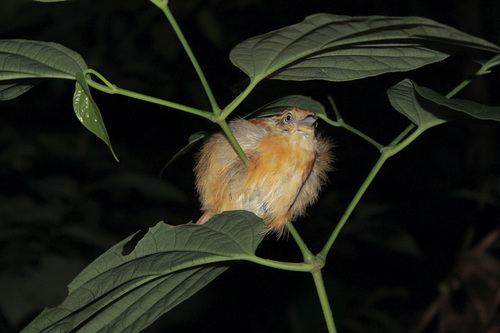 Barred Antshrike
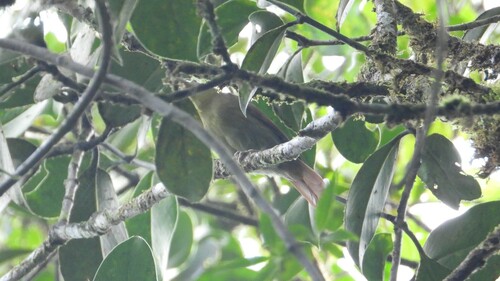 Russet Antshrike
In breve
Il Barred Antshrike è facilmente riconoscibile per le sue barre nere e bianche alternate sul piumaggio, mentre il Russet Antshrike non presenta tali motivi audaci, apparendo più simile a un raccoglitore di foglie con le sue tonalità ruggine. Il grande becco ricurvo del Barred Antshrike è una caratteristica strutturale notevole, in contrasto con l'aspetto più tipico dell'antbird del Russet Antshrike.
Consigli di identificazione
- Cerca le audaci barre nere e bianche sul Barred Antshrike, assenti nel Russet Antshrike.
- Nota il grande becco ricurvo del Barred Antshrike.
- Osserva il comportamento: i Barred Antshrikes mostrano movimenti della testa e scodinzolamenti durante il canto.
- Considera l'habitat: i Russet Antshrikes sono più comuni nella chioma delle foreste di montagna.
Piumaggio
Il Barred Antshrike presenta barre nere e bianche distinte su tutte le parti piumate, con i maschi che a volte mostrano una macchia bianca semi-nascosta sulla corona. Le femmine sono ruggine-cannella con un petto più chiaro. Al contrario, il Russet Antshrike ha una colorazione ruggine più uniforme, priva delle audaci barre del Barred Antshrike.
Comportamento
I Barred Antshrikes mostrano spesso movimenti della testa e scodinzolamenti durante il canto, esponendo una macchia bianca sulla corona. I Russet Antshrikes sono più propensi a essere scambiati per raccoglitori di foglie a causa del loro comportamento di foraggiamento e trascorrono più tempo nella chioma.
Habitat
I Russet Antshrikes si trovano tipicamente nelle foreste di montagna sempreverdi da 400 m a 1.000 m, spesso nella chioma. Le preferenze di habitat dei Barred Antshrikes non sono dettagliate qui.
Voce
I Barred Antshrikes producono un canto lungo 2-3 secondi, spesso in duetti con il loro partner di riproduzione. Le vocalizzazioni del Russet Antshrike non sono dettagliate qui.
Barred Antshrike · Russet Antshrike · I miei uccelli difficili