
Bicknell's Thrush vs Tordo di Pallas
Catharus bicknelli contro Catharus guttatus
Fai un quiz con Bicknell's Thrush e Tordo di Pallas
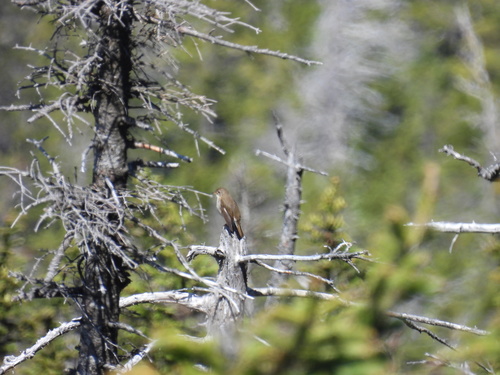 Bicknell's Thrush
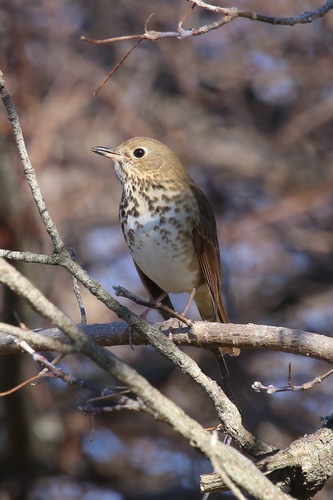 Tordo di Pallas
In breve
Il Tordo di Pallas e il Bicknell's Thrush sono entrambi tordi di dimensioni medie e di colore marrone, ma il Tordo di Pallas si distingue meglio sul campo per la sua coda rossa distintiva che contrasta con le parti superiori più marroni, una caratteristica visibile in tutte le età e stagioni. Il Bicknell's Thrush ha un dorso più uniformemente oliva-marrone con una coda con sfumature castanee, ma il contrasto della coda è meno pronunciato e può essere sottile, specialmente nel piumaggio usurato. Entrambe le specie condividono zampe rosa e petti macchiati, ma il Tordo di Pallas mostra solitamente un anello oculare bianco audace e macchie sul petto più distinte. L'habitat e l'areale sono anche utili: il Bicknell's è altamente localizzato sulle cime montuose del nord-est, mentre il Tordo di Pallas è diffuso. Le vocalizzazioni differiscono, con il canto etereo e flautato del Tordo di Pallas che si distingue dalle frasi più confuse del Bicknell's.
Consigli di identificazione
- Tail color and contrast: Il Tordo di Pallas di tutte le età e stagioni mostra una coda rossa brillante o rufosa che contrasta fortemente con il suo dorso marrone o oliva-marrone, particolarmente evidente quando l'uccello sbatte o apre la coda. Il Bicknell's Thrush ha una coda con sfumature castanee, ma il contrasto è molto meno pronunciato e può essere sottile o addirittura assente nel piumaggio usurato.
- Eye ring: Il Tordo di Pallas ha un anello oculare bianco audace e completo, mentre il Bicknell's Thrush ha solo un anello grigiastro tenue, spesso difficile da vedere sul campo.
- Breast spotting: Il Tordo di Pallas ha solitamente macchie più scure e distinte sul petto, mentre le macchie del Bicknell's sono scure e diventano diffuse verso i lati e il petto inferiore.
- Flank color: I fianchi del Tordo di Pallas sono grigi o marroni, mentre quelli del Bicknell's sono grigi, ma questo è sottile e spesso non diagnostico senza un confronto diretto.
- Bill color: Il Bicknell's Thrush ha una mandibola inferiore per lo più gialla con una punta scura e una mandibola superiore nerastra; il becco del Tordo di Pallas non è descritto come distintamente bicolore, quindi una mandibola inferiore fortemente gialla può indicare il Bicknell's.
- Leg color: Entrambi hanno zampe rosa, quindi questo non è utile per la separazione.
- Structure: Il Tordo di Pallas è più compatto e robusto, con ali relativamente più lunghe, ma questo è sottile e meglio apprezzato con esperienza o confronto diretto.
- Behavior: Il Tordo di Pallas spesso sbatte o pompa la sua coda quando è posato, un comportamento meno tipico del Bicknell's.
- Habitat and range: Se ti trovi in una foresta conifera densa ad alta quota nel nord-est degli Stati Uniti o nel sud-est del Canada, considera il Bicknell's. Nella maggior parte degli altri habitat boschivi, specialmente a basse altitudini o al di fuori del nord-est, il Tordo di Pallas è molto più probabile.
- Song: Il canto del Tordo di Pallas è etereo, simile a un flauto, e strutturato con frasi chiare e distanziate; il Bicknell's è una serie confusa di toni simili a un flauto che termina su una nota più alta. Se senti un canto puro, musicale e discendente, è più probabile che sia il Tordo di Pallas.
- Season: Il Bicknell's è presente nell'habitat di nidificazione solo nella tarda primavera e in estate; il Tordo di Pallas può essere trovato in una gamma più ampia di stagioni e habitat.
- Plumage wear: Nel piumaggio usurato, il contrasto della coda del Bicknell's può essere ancora meno evidente, rendendo più difficile la separazione—fai affidamento più sull'anello oculare, sul canto e sull'habitat.
- Jizz in flight: Non ci sono segni di volo distintivi descritti per nessuna delle due specie, ma la coda del Tordo di Pallas può apparire notevolmente rufosa in volo, mentre quella del Bicknell's è più uniforme.
- Abundance: Il Tordo di Pallas è molto più comune e diffuso; il Bicknell's è raro e altamente localizzato—considera la probabilità in base alla posizione.
- Sex and age: Entrambi i sessi sono simili in entrambe le specie; le differenze legate all'età non sono fortemente descritte, quindi fai affidamento sui segni sopra per tutte le età.
Taglia
Entrambe le specie sono simili in dimensioni, ma il Tordo di Pallas è leggermente più variabile, misurando 15–18 cm di lunghezza e pesando 18–37 g, mentre il Bicknell's Thrush ha una media di circa 17,5 cm e 28 g. Il Tordo di Pallas può apparire più robusto e compatto, con ali relativamente più lunghe. Sul campo, la sovrapposizione delle dimensioni è considerevole, quindi la dimensione da sola non è affidabile per la separazione.
Piumaggio
I piumaggi giovanili e immaturi non sono descritti in dettaglio per nessuna delle due specie, ma i Tordi di Pallas adulti e di primo anno di tutte le età mostrano una coda rossa o rufosa forte che contrasta nettamente con il dorso marrone o oliva-marrone, un segno visibile sia posato che in volo. Anche il Bicknell's Thrush ha una coda con sfumature castanee, ma il contrasto con il dorso è molto meno pronunciato, specialmente negli uccelli usurati, e le parti superiori complessive sono più oliva-marroni. Entrambe le specie hanno parti inferiori di colore bianco sporco con macchie scure sul petto, ma le macchie del Tordo di Pallas sono tipicamente più scure e più distinte, e i suoi fianchi sono più propensi a essere grigi o marroni. Il Tordo di Pallas mostra anche un anello oculare bianco più audace, mentre il Bicknell's ha solo un anello grigiastro tenue. Entrambi hanno zampe rosa, ma il colore del becco differisce sottilmente: la mandibola inferiore del Bicknell's è per lo più gialla con una punta scura, mentre il becco del Tordo di Pallas non è descritto come distintamente bicolore.
Comportamento
Il Tordo di Pallas spesso sbatte la sua coda rossa e può pompare o sollevarla e abbassarla lentamente quando è posato, un comportamento meno tipico del Bicknell's Thrush. Entrambe le specie si nutrono sul terreno o nelle vicinanze e possono essere segrete, ma il Tordo di Pallas è più probabile da vedere in una varietà più ampia di habitat boschivi, a volte in aree aperte, e spesso canta da un posatoio alto ed esposto. Il Bicknell's è più riservato, rimanendo in fitte macchie di conifere ad alta quota.
Habitat
L'habitat è un forte indizio: il Bicknell's Thrush è ristretto alle cime montuose conifere e alle foreste disturbate ad alta quota nel nord-est degli Stati Uniti e nel sud-est del Canada, rendendolo uno degli uccelli canori più rari e localizzati in Nord America. Il Tordo di Pallas è molto più diffuso, trovato in una vasta gamma di habitat boschivi in tutta Nord America, comprese le foreste di pianura e di montagna, e non è ristretto alle cime montuose. Se non ti trovi in una foresta di abete rosso densa e alta nel nord-est, è molto più probabile che tu incontri il Tordo di Pallas.
Voce
Il canto del Tordo di Pallas è una chiara serie eterea e simile a un flauto di frasi, ognuna delle quali inizia con una nota singola e seguita da frasi musicali discendenti, spesso descritto come il più bello degli uccelli nordamericani. Il canto del Bicknell's Thrush è anch'esso simile a un flauto ma è più confuso e termina su una nota più alta, mancando delle frasi pure e distanziate del Tordo di Pallas. Entrambi possono essere difficili da separare solo per il richiamo per i principianti, ma il canto del Tordo di Pallas è più musicale e strutturato.
Bicknell's Thrush · Tordo di Pallas · I miei uccelli difficili