
Dendrocigna beccorosso vs Lark Bunting
Dendrocygna autumnalis contro Calamospiza melanocorys
Fai un quiz con Dendrocigna beccorosso e Lark Bunting
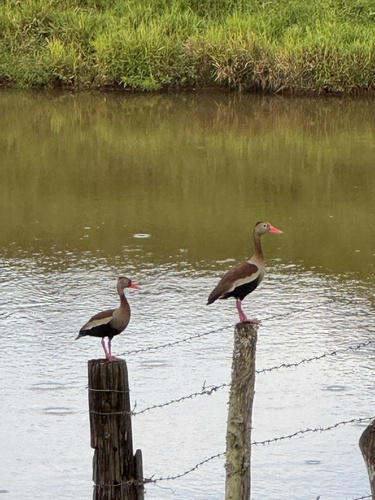 Dendrocigna beccorosso
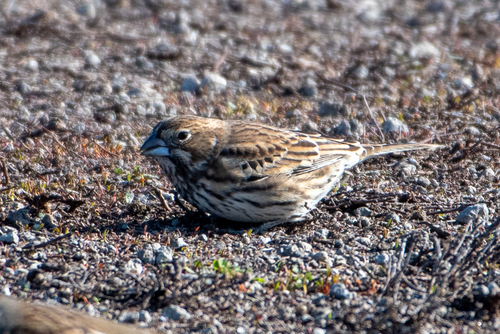 Lark Bunting
In breve
Il Dendrocigna beccorosso e il Lark Bunting sono facilmente distinguibili per il loro habitat e il piumaggio. Il d'anatra fischiante è un'anatra acquatica con un distintivo ventre nero e un corpo castano, mentre il Lark Bunting è un passero delle praterie con un piumaggio nero e bianco sorprendente nei maschi in riproduzione. Occupano ambienti diversi, con il d'anatra fischiante trovato vicino all'acqua e il bunting nelle praterie aperte.
Consigli di identificazione
Cerca il ventre nero e il becco rosa del Dendrocigna beccorosso vicino all'acqua. Al contrario, identifica il Lark Bunting dal suo piumaggio di riproduzione nero e bianco nelle praterie aperte. Considera l'habitat come un indizio principale.
Taglia
Il Dendrocigna beccorosso è significativamente più grande del Lark Bunting.
Piumaggio
Il Dendrocigna beccorosso ha un ventre nero, un corpo castano e un becco rosa, mentre il maschio del Lark Bunting in piumaggio di riproduzione è nero con macchie bianche sulle ali. Le femmine e i Lark Buntings non in riproduzione sono marroni e più simili a passeri.
Comportamento
I Dendrocigna beccorosso sono spesso visti in coppie o piccoli gruppi vicino all'acqua, mentre i Lark Buntings formano grandi gruppi nomadi nelle praterie.
Habitat
I Dendrocigna beccorosso si trovano vicino a corpi d'acqua come stagni e paludi, mentre i Lark Buntings preferiscono praterie aperte e praterie.
Dendrocigna beccorosso · Lark Bunting · I miei uccelli difficili