
Blackburnian Warbler vs Chestnut-sided Warbler
Setophaga fusca contro Setophaga pensylvanica
Fai un quiz con Blackburnian Warbler e Chestnut-sided Warbler
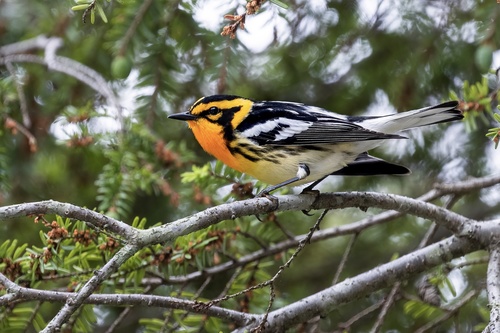 Blackburnian Warbler
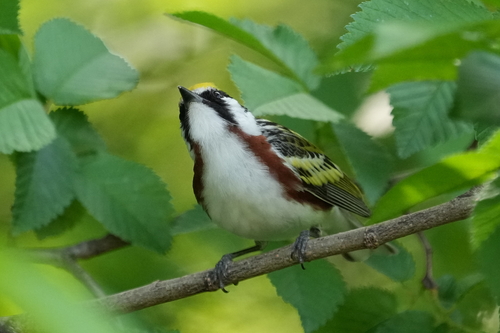 Chestnut-sided Warbler
In breve
Il Blackburnian Warbler e il Chestnut-sided Warbler possono essere distinti per il loro piumaggio e le preferenze di habitat. Il Blackburnian Warbler mostra spesso una gola arancione sorprendente, mentre il Chestnut-sided Warbler ha una striscia castagna distintiva lungo i fianchi. Entrambe le specie sono insetti voraci ma differiscono nei loro habitat di nidificazione preferiti.
Consigli di identificazione
Cerca la gola arancione brillante del Blackburnian Warbler, specialmente nei maschi. Le strisce castagne del Chestnut-sided Warbler sono un segno distintivo affidabile. Considera l'habitat: i Blackburnian Warblers si trovano più frequentemente in ambienti conifere, mentre i Chestnut-sided Warblers preferiscono foreste decidue o miste.
Piumaggio
Il Blackburnian Warbler è noto per la sua gola arancione brillante, specialmente nei maschi, che è una caratteristica distintiva chiave. Al contrario, il Chestnut-sided Warbler presenta una prominente striscia castagna lungo i fianchi, assente nel Blackburnian Warbler.
Habitat
Il Blackburnian Warbler nidifica tipicamente in foreste conifere, spesso in abeti, mentre il Chestnut-sided Warbler si trova più comunemente in foreste decidue o miste.
Blackburnian Warbler · Chestnut-sided Warbler · I miei uccelli difficili