
Blue-headed Vireo vs Townsend's Solitaire
Vireo solitarius contro Myadestes townsendi
Fai un quiz con Blue-headed Vireo e Townsend's Solitaire
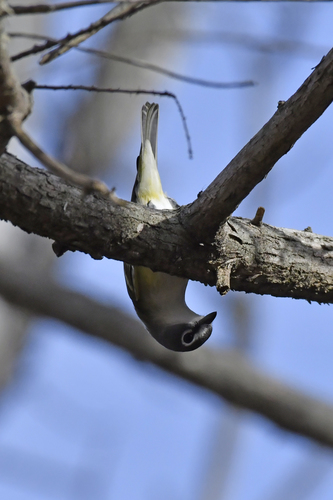 Blue-headed Vireo
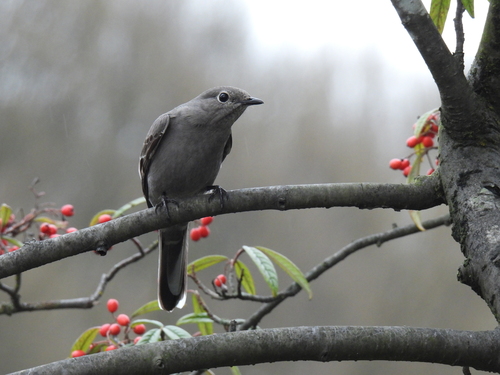 Townsend's Solitaire
In breve
Il Blue-headed Vireo e il Townsend's Solitaire possono essere distinti principalmente dalle loro preferenze di habitat e dal piumaggio. Il vireo è più associato a foreste di conifere e decidue, mentre il solitaire preferisce foreste montane di conifere e boschi di ginepro. In termini di aspetto, il vireo ha una testa blu-grigia distintiva con occhiali bianchi, mentre il solitaire è uniformemente grigio con un anello oculare bianco.
Consigli di identificazione
1. Cerca la testa blu-grigia del Blue-headed Vireo e gli occhiali bianchi nelle aree forestali. 2. Osserva il piumaggio uniformemente grigio e l'anello oculare bianco del Townsend's Solitaire, specialmente in habitat montani o ricchi di ginepro. 3. Nota l'habitat: i vireo nelle foreste miste, i solitari in aree montane o di ginepro. 4. Ascolta il canto distintivo del solitaire nei territori invernali.
Piumaggio
Il Blue-headed Vireo ha una testa blu-grigia con occhiali bianchi e un dorso verdeggiante contrastante, mentre il Townsend's Solitaire è uniformemente grigio con un anello oculare bianco e sottili marcature buff sulle ali.
Comportamento
Il Blue-headed Vireo cerca cibo a mezz'altezza nelle foreste, spesso afferrando insetti in volo. Il Townsend's Solitaire è noto per il suo volo a scatti per catturare insetti e il suo comportamento territoriale in inverno, difendendo aree ricche di ginepro.
Habitat
Il Blue-headed Vireo si trova in foreste di conifere e decidue, spesso a media altitudine. Il Townsend's Solitaire preferisce foreste montane di conifere e boschi di ginepro, scendendo a altitudini più basse in inverno.
Voce
Il canto del Blue-headed Vireo non è dettagliato qui, ma il Townsend's Solitaire è noto per il suo canto elaborato e bello, spesso udito durante la stagione di nidificazione.
Blue-headed Vireo · Townsend's Solitaire · I miei uccelli difficili