
Pettazzurro vs Pigliamosche pettirosso
Luscinia svecica contro Ficedula parva
Fai un quiz con Pettazzurro e Pigliamosche pettirosso
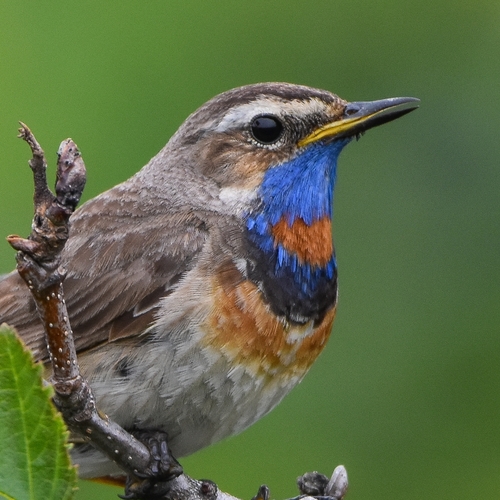 Pettazzurro
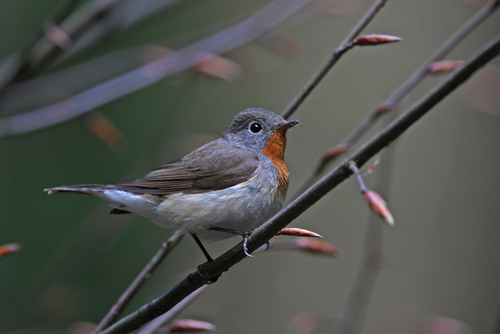 Pigliamosche pettirosso
In breve
Il Pettazzurro e il Pigliamosche pettirosso possono essere distinti principalmente dal loro piumaggio e comportamento. Il Pettazzurro mostra spesso una gola blu brillante con una macchia centrale, mentre il Pigliamosche pettirosso ha un aspetto più sobrio con una distintiva macchia arancione-rossa sulla gola nei maschi. Comportamentalmente, il Pettazzurro è più probabile che venga visto a terra, mentre il Pigliamosche pettirosso si trova tipicamente a svolazzare tra gli alberi.
Consigli di identificazione
Cerca la gola blu con una macchia centrale sul Pettazzurro, specialmente nei maschi. Nota la macchia arancione-rossa sulla gola nei maschi dei Pigliamosche pettirosso. Osserva il comportamento: i Pettazzurri sono più terrestri, mentre i Pigliamosche pettirosso sono più arborei.
Piumaggio
Il Pettazzurro presenta una gola blu brillante con una macchia centrale, che può essere rossa o bianca a seconda della sottospecie, e un ventre bianco. Al contrario, il Pigliamosche pettirosso ha un piumaggio meno vivace con una macchia arancione-rossa sulla gola nei maschi e generalmente manca della vivace colorazione blu. Le femmine e i maschi non in riproduzione di entrambe le specie sono meno colorati ma differiscono ancora nei modelli di gola e petto.
Comportamento
I Pettazzurri vengono spesso visti cercare cibo a terra, mentre i Pigliamosche pettirosso sono più arborei, frequentemente visti svolazzare tra gli alberi e catturare insetti in volo.
Pettazzurro · Pigliamosche pettirosso · I miei uccelli difficili