Birdr

Pantana vs Voltapietre

Tringa nebularia contro Arenaria interpres

Fai un quiz con Pantana e Voltapietre
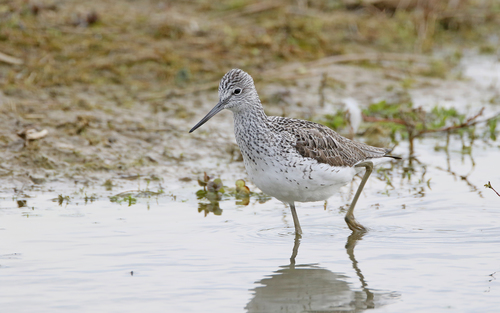
Pantana (Tringa nebularia) Pantana
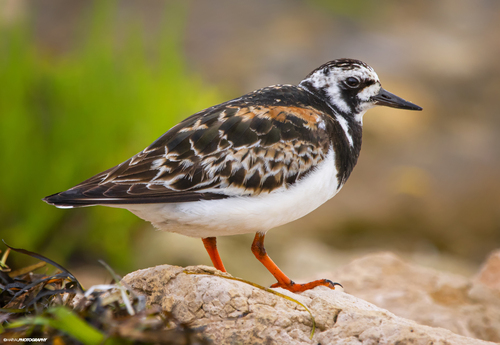
Voltapietre (Arenaria interpres) Voltapietre

Media

Caricamento…

In breve

La Pantana e il Voltapietre sono distinti nella struttura e nel comportamento. La Pantana ha un becco sottile, leggermente ricurvo e lunghe zampe, mentre il Voltapietre è più tozzo con un becco corto e robusto. In volo, la Pantana mostra un cuneo bianco sulla schiena, in contrasto con il bold pattern delle ali in bianco e nero del Voltapietre.

Consigli di identificazione

1. Bill Shape: Cerca il becco sottile e leggermente ricurvo della Pantana rispetto al becco corto e robusto del Voltapietre. 2. Leg Length: La Pantana ha zampe più lunghe. 3. Flight Pattern: Nota il cuneo bianco sulla schiena della Pantana in volo, in contrasto con il bold pattern delle ali in bianco e nero del Voltapietre. 4. Habitat Preference: Considera l'habitat; le Pantane preferiscono le zone umide, i Voltapietre preferiscono le coste rocciose.

Taglia

La Pantana è più grande e più snella rispetto al tozzo Voltapietre.

Piumaggio

La Pantana ha un piumaggio grigio e bianco più uniforme, mentre il Voltapietre mostra un pattern sorprendente in bianco e nero con toni ruggine, specialmente nel piumaggio nuziale.

Comportamento

La Pantana spesso si inabissa in acque poco profonde, mentre il Voltapietre è tipicamente visto ribaltare pietre e detriti lungo le coste rocciose.

Habitat

Le Pantane si trovano in zone umide, fanghi e estuari, mentre i Voltapietre preferiscono le coste rocciose e le spiagge.

Invia una descrizione migliore

Usa le stesse sezioni del confronto. Il testo viene pubblicato subito.

The Common Greenshank and Ruddy Turnstone are distinct in structure and behavior. The Greenshank has a slender, slightly upturned bill and long legs, while the Turnstone is stockier with a short, stout bill. In flight, the Greenshank shows a white wedge on its back, contrasting with the Turnstone's bold black and white wing pattern.

1. Bill Shape: Look for the Greenshank's slender, slightly upturned bill versus the Turnstone's short, stout bill. 2. Leg Length: Greenshank has longer legs. 3. Flight Pattern: Note the Greenshank's white wedge on the back in flight, contrasting with the Turnstone's bold black and white wing pattern. 4. Habitat Preference: Consider the habitat; Greenshanks prefer wetlands, Turnstones prefer rocky shores.

The Common Greenshank is larger and more slender compared to the stockier Ruddy Turnstone.

The Greenshank has a more uniform grey and white plumage, whereas the Turnstone displays a striking black and white pattern with rufous tones, especially in breeding plumage.

The Greenshank often wades in shallow water, while the Turnstone is typically seen flipping over stones and debris along rocky shores.

Common Greenshanks are found in wetlands, mudflats, and estuaries, whereas Ruddy Turnstones prefer rocky coastlines and shores.

Scartare le modifiche?

Hai modifiche non salvate. Se esci ora, andranno perse.

Pantana · Voltapietre · I miei uccelli difficili