
Common Jery vs Stripe-throated Jery
Neomixis tenella contro Neomixis striatigula
Fai un quiz con Common Jery e Stripe-throated Jery
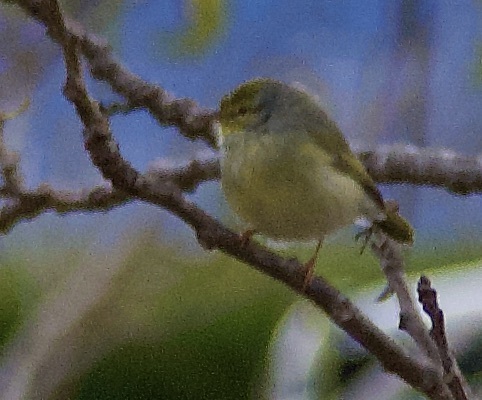 Common Jery
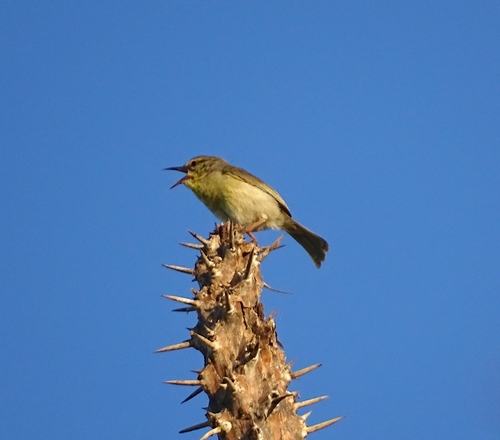 Stripe-throated Jery
In breve
Separare il Common Jery dallo Stripe-throated Jery sul campo è una sfida, poiché entrambi sono piccoli, grigi e endemici del Madagascar, spesso condividendo gli stessi habitat forestali. Il segno più affidabile (quando visibile) è la presenza di striature sulla gola: lo Stripe-throated Jery mostra linee scure sottili sulla gola, mentre il Common Jery ne è privo. Le differenze strutturali e i segnali di piumaggio specifici per età non sono documentati nelle fonti disponibili, quindi concentrati sul motivo della gola e, quando possibile, su differenze sottili nell'impressione generale. Entrambe le specie sono simili in dimensioni e comportamento, quindi è essenziale un'osservazione attenta e ravvicinata.
Consigli di identificazione
- Throat streaking is the key mark: Lo Stripe-throated Jery mostra sempre striature scure e sottili sulla gola. Se vedi striature chiare, stai osservando lo Stripe-throated Jery; se la gola è semplice, è più probabile che sia il Common Jery.
- Absence of streaks: Una gola semplice e non marcata indica il Common Jery, ma fai attenzione a scarsa illuminazione o viste distanti che potrebbero oscurare le striature sottili dello Stripe-throated Jery.
- No wing or age-specific flight marks: Non ci sono differenze documentate nel piumaggio delle ali o nel modello di volo per nessuna età o stagione; non tentare di separare in base ai pannelli delle ali, ai bordi posteriori o ad altri segni di volo.
- Structure and jizz: Entrambe le specie sono piccole, attive e simili nella forma e nel movimento. Il becco, la coda e le proporzioni generali non sono noti per differire in un modo visibile sul campo.
- Plumage elsewhere: A parte la gola, entrambe sono generalmente grigie e mancano di forti motivi. Non fare affidamento sul colore della schiena, delle ali o della coda per separarli.
- Juvenile/immature birds: Non sono disponibili informazioni su piumaggi distintivi per giovani o immaturi. Assumi che il motivo della gola sia l'unico segno affidabile a tutte le età.
- Sex differences: Non è descritto dimorfismo sessuale; maschi e femmine sembrano simili in entrambe le specie.
- Habitat overlap: Entrambe le specie si trovano insieme nelle stesse foreste, quindi non usare la posizione o l'habitat come separatore.
- Behavioral cues: Entrambe sono attive, spesso in stormi misti, e mostrano comportamenti di foraggiamento simili. Il comportamento non le distingue.
- Size: Entrambe sono piccole, e la dimensione non è un segno utile sul campo.
- Voice: Non sono descritte differenze vocali nelle fonti disponibili; non fare affidamento su richiami o canti.
- Lighting and distance: Fai attenzione in scarsa illuminazione o a distanza, poiché le deboli striature sulla gola potrebbero essere perse, portando a identificazioni errate.
- Photographic review: Se possibile, scatta foto e rivedi per le striature sulla gola, poiché questo è l'unico segno affidabile.
- Mixed flocks: Quando vedi più jerys insieme, controlla ogni individuo per il motivo della gola, poiché entrambe le specie possono essere presenti nello stesso stormo.
- Summary: In tutte le situazioni, dai priorità al motivo della gola come tuo segno principale sul campo, e evita di sovrainterpretare differenze sottili altrove.
Taglia
Solo il Common Jery ha una massa documentata (7.0g [wikidata]), ma entrambe le specie sono tra i più piccoli uccelli canori del Madagascar. È probabile che lo Stripe-throated Jery sia simile in dimensioni, senza evidenze di una differenza notevole nell'impressione sul campo. La dimensione da sola non è un separatore affidabile tra questi due.
Piumaggio
Non sono documentate differenze di piumaggio specifiche per età o legate al volo per nessuna delle due specie. La distinzione chiave è nella gola: lo Stripe-throated Jery di tutte le età mostra striature scure e sottili sulla gola, che sono assenti nel Common Jery. Altrimenti, entrambe le specie sono generalmente semplici e mancano di forti motivi altrove. Non sono disponibili informazioni sul motivo delle ali superiori per giovani o immaturi, quindi non fare affidamento sui segni delle ali in volo o sugli uccelli posati per la separazione.
Comportamento
Entrambe le specie sono descritte come tipici piccoli insettivori delle foreste malgasce, muovendosi attivamente attraverso il fogliame e spesso unendosi a stormi misti di specie. Non ci sono differenze comportamentali documentate utili per la separazione sul campo.
Habitat
Sia il Common Jery che lo Stripe-throated Jery si trovano in foreste secche subtropicali o tropicali e in foreste umide di pianura in Madagascar, spesso nelle stesse aree. La scelta dell'habitat non aiuta a distinguerli sul campo.
Common Jery · Stripe-throated Jery · I miei uccelli difficili