
Motmot

Common Jery vs Stripe-throated Jery

Neomixis tenella versus Neomixis striatigula

Play a quiz with Common Jery and Stripe-throated Jery
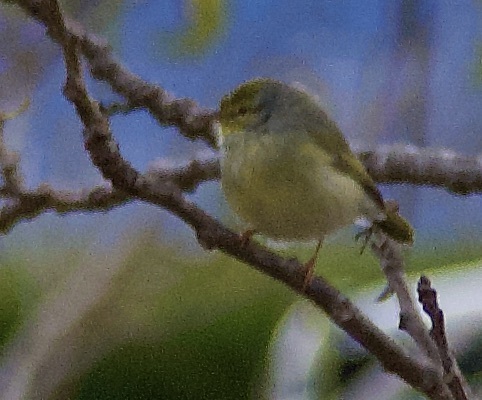
Common Jery (Neomixis tenella) Common Jery
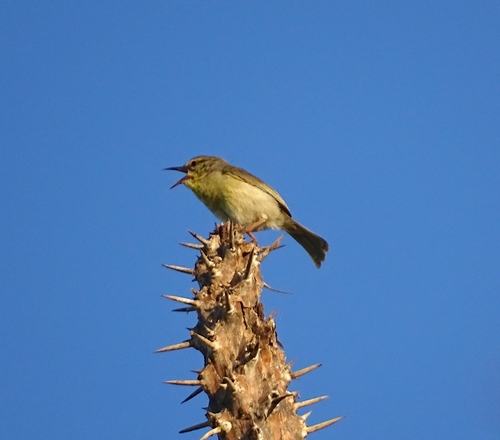
Stripe-throated Jery (Neomixis striatigula) Stripe-throated Jery

Media

Loading…

In short

Separating Common Jery from Stripe-throated Jery in the field is challenging, as both are small, drab Malagasy endemics often sharing the same forest habitats. The most reliable mark (when visible) is the presence of throat streaking: Stripe-throated Jery shows fine dark lines on the throat, while Common Jery lacks these. Structural differences and age-specific plumage cues are not documented in the available sources, so focus on throat pattern and, when possible, subtle differences in overall impression. Both species are similar in size and behavior, so careful, close observation is essential.

Identification tips

  1. Throat streaking is the key mark: Stripe-throated Jery always shows fine, dark streaks on the throat. If you see clear streaks, you are looking at Stripe-throated Jery; if the throat is plain, Common Jery is more likely.
  2. Absence of streaks: A plain, unmarked throat points to Common Jery, but beware of poor light or distant views which may obscure subtle streaking on Stripe-throated Jery.
  3. No wing or age-specific flight marks: There are no documented differences in upperwing or flight pattern for any age or season; do not attempt separation by wing panels, trailing edges, or other flight marks.
  4. Structure and jizz: Both species are small, active, and similar in shape and movement. Bill, tail, and overall proportions are not known to differ in a way visible in the field.
  5. Plumage elsewhere: Apart from the throat, both are generally drab and lack strong patterning. Do not rely on back, wing, or tail color to separate them.
  6. Juvenile/immature birds: No information is available on distinctive juvenile or immature plumage. Assume throat pattern is the only reliable mark at all ages.
  7. Sex differences: No sexual dimorphism is described; males and females look alike in both species.
  8. Habitat overlap: Both species occur together in the same forests, so do not use location or habitat as a separator.
  9. Behavioral cues: Both are active, often in mixed flocks, and show similar foraging behavior. Behavior does not distinguish them.
  10. Size: Both are tiny, and size is not a useful field mark.
  11. Voice: No vocal differences are described in the available sources; do not rely on calls or song.
  12. Lighting and distance: Be cautious in poor light or at a distance, as faint throat streaks may be missed, leading to misidentification.
  13. Photographic review: If possible, take photos and review for throat streaking, as this is the only reliable mark.
  14. Mixed flocks: When seeing multiple jerys together, check each individual for throat pattern, as both species may be present in the same flock.
  15. Summary: In all situations, prioritize throat pattern as your primary field mark, and avoid over-interpreting subtle differences elsewhere.

Size

Only Common Jery has a documented mass (7.0g [wikidata]), but both species are among the smallest Malagasy songbirds. Stripe-throated Jery is likely similar in size, with no evidence for a notable difference in field impression. Size alone is not a reliable separator between these two.

Plumage

No age-specific or flight-related plumage differences are documented for either species. The key distinction is in the throat: Stripe-throated Jery of all ages shows fine, dark streaks on the throat, which are absent in Common Jery. Otherwise, both species are generally plain and lack strong patterning elsewhere. No information is available on juvenile or immature upperwing pattern, so do not rely on wing markings in flight or perched birds for separation.

Behaviour

Both species are described as typical small insectivores of Malagasy forests, moving actively through foliage and often joining mixed-species flocks. There are no documented behavioral differences useful for field separation.

Habitat

Both Common Jery and Stripe-throated Jery occur in subtropical or tropical dry forest and moist lowland forest in Madagascar, often in the same areas. Habitat choice does not help distinguish them in the field.

Submit a better description

Use the same sections as the comparison. Your text is published immediately.

Separating Common Jery from Stripe-throated Jery in the field is challenging, as both are small, drab Malagasy endemics often sharing the same forest habitats. The most reliable mark (when visible) is the presence of throat streaking: Stripe-throated Jery shows fine dark lines on the throat, while Common Jery lacks these. Structural differences and age-specific plumage cues are not documented in the available sources, so focus on throat pattern and, when possible, subtle differences in overall impression. Both species are similar in size and behavior, so careful, close observation is essential.

  1. Throat streaking is the key mark: Stripe-throated Jery always shows fine, dark streaks on the throat. If you see clear streaks, you are looking at Stripe-throated Jery; if the throat is plain, Common Jery is more likely.
  2. Absence of streaks: A plain, unmarked throat points to Common Jery, but beware of poor light or distant views which may obscure subtle streaking on Stripe-throated Jery.
  3. No wing or age-specific flight marks: There are no documented differences in upperwing or flight pattern for any age or season; do not attempt separation by wing panels, trailing edges, or other flight marks.
  4. Structure and jizz: Both species are small, active, and similar in shape and movement. Bill, tail, and overall proportions are not known to differ in a way visible in the field.
  5. Plumage elsewhere: Apart from the throat, both are generally drab and lack strong patterning. Do not rely on back, wing, or tail color to separate them.
  6. Juvenile/immature birds: No information is available on distinctive juvenile or immature plumage. Assume throat pattern is the only reliable mark at all ages.
  7. Sex differences: No sexual dimorphism is described; males and females look alike in both species.
  8. Habitat overlap: Both species occur together in the same forests, so do not use location or habitat as a separator.
  9. Behavioral cues: Both are active, often in mixed flocks, and show similar foraging behavior. Behavior does not distinguish them.
  10. Size: Both are tiny, and size is not a useful field mark.
  11. Voice: No vocal differences are described in the available sources; do not rely on calls or song.
  12. Lighting and distance: Be cautious in poor light or at a distance, as faint throat streaks may be missed, leading to misidentification.
  13. Photographic review: If possible, take photos and review for throat streaking, as this is the only reliable mark.
  14. Mixed flocks: When seeing multiple jerys together, check each individual for throat pattern, as both species may be present in the same flock.
  15. Summary: In all situations, prioritize throat pattern as your primary field mark, and avoid over-interpreting subtle differences elsewhere.

Only Common Jery has a documented mass (7.0g [wikidata]), but both species are among the smallest Malagasy songbirds. Stripe-throated Jery is likely similar in size, with no evidence for a notable difference in field impression. Size alone is not a reliable separator between these two.

No age-specific or flight-related plumage differences are documented for either species. The key distinction is in the throat: Stripe-throated Jery of all ages shows fine, dark streaks on the throat, which are absent in Common Jery. Otherwise, both species are generally plain and lack strong patterning elsewhere. No information is available on juvenile or immature upperwing pattern, so do not rely on wing markings in flight or perched birds for separation.

Both species are described as typical small insectivores of Malagasy forests, moving actively through foliage and often joining mixed-species flocks. There are no documented behavioral differences useful for field separation.

Both Common Jery and Stripe-throated Jery occur in subtropical or tropical dry forest and moist lowland forest in Madagascar, often in the same areas. Habitat choice does not help distinguish them in the field.

Discard your changes?

You have unsaved edits. If you leave now, those changes will be lost.

Common Jery · Stripe-throated Jery · My Tricky Birds