
Common Pauraque vs Neotropic Cormorant
Nyctidromus albicollis contro Nannopterum brasilianum
Fai un quiz con Common Pauraque e Neotropic Cormorant
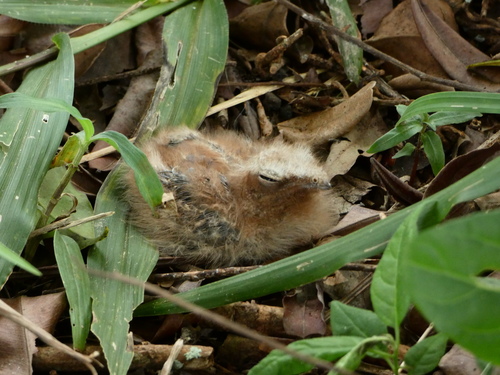 Common Pauraque
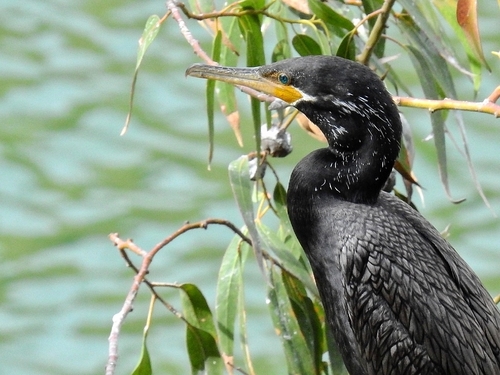 Neotropic Cormorant
In breve
Il Common Pauraque e il Neotropic Cormorant sono facilmente distinguibili per la loro struttura e le preferenze di habitat. Il Pauraque è un succiacapre notturno e terrestre con intricati schemi di piumaggio, mentre il Cormorano è un uccello acquatico con un lungo collo e un corpo aerodinamico, spesso visto nuotare o posato vicino all'acqua.
Consigli di identificazione
1. Cerca il piumaggio intricato del Common Pauraque e le marcature bianche sulle ali e sulla coda. 2. Nota il lungo collo e il piumaggio scuro e uniforme del Neotropic Cormorant. 3. Osserva il comportamento: i Pauraque sono terrestri e attivi al crepuscolo, mentre i Cormorani sono acquatici e attivi durante il giorno. 4. Ascolta le vocalizzazioni uniche del Pauraque, poiché il Cormorano è generalmente silenzioso.
Taglia
Il Neotropic Cormorant è più grande, con un lungo collo e corpo, rispetto al più piccolo e compatto Common Pauraque.
Piumaggio
Il Common Pauraque ha un complesso schema di marroni, beige, grigi e neri, con una banda bianca sulle primarie e una sostanziale quantità di bianco nella coda. Al contrario, il Neotropic Cormorant ha un piumaggio scuro più uniforme.
Comportamento
Il Common Pauraque è crepuscolare e terrestre, spesso visto cercare cibo a terra al crepuscolo o all'alba. Il Neotropic Cormorant è diurno, frequentemente osservato nuotare, tuffarsi per pesci, o posato ad asciugare le ali.
Habitat
Il Common Pauraque si trova nelle pianure tropicali, spesso in aree aperte o semiaperte. Il Neotropic Cormorant è associato a ambienti acquatici come laghi, fiumi e aree costiere.
Voce
Il canto del Common Pauraque è un distintivo 'hip-hip hip-hip hip-hip-hooray,' mentre il Neotropic Cormorant è generalmente silenzioso, specialmente se confrontato con il vocale Pauraque.
Common Pauraque · Neotropic Cormorant · I miei uccelli difficili