Birdr

Common Pauraque vs Neotropic Cormorant

Nyctidromus albicollis versus Nannopterum brasilianum

Play a quiz with Common Pauraque and Neotropic Cormorant
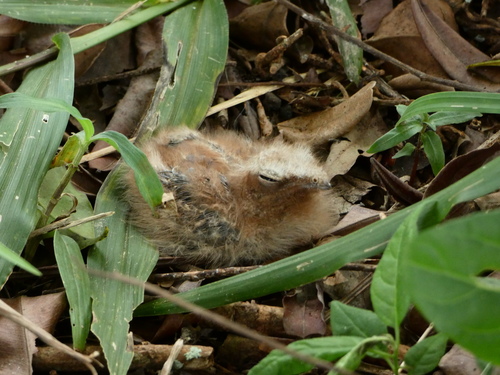
Common Pauraque (Nyctidromus albicollis) Common Pauraque
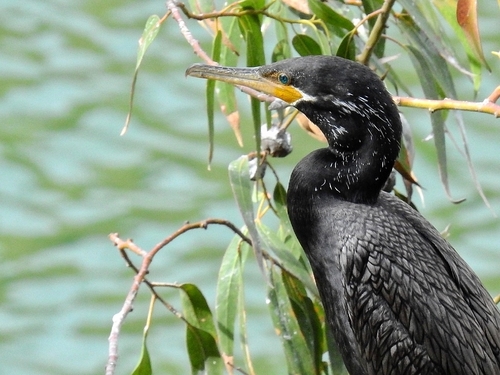
Neotropic Cormorant (Nannopterum brasilianum) Neotropic Cormorant

Media

Loading…

In short

The Common Pauraque and Neotropic Cormorant are easily distinguished by their vastly different appearances and habitats. The Pauraque is a terrestrial nightjar with intricate plumage patterns, while the Cormorant is a waterbird with a sleek, dark body adapted for diving.

Identification tips

  1. Habitat: Look for the Pauraque in terrestrial settings and the Cormorant near water. 2. Plumage: Note the intricate patterns and white bands on the Pauraque versus the dark, sleek appearance of the Cormorant. 3. Behavior: Observe the Pauraque's ground foraging and the Cormorant's diving behavior. 4. Vocalization: Listen for the Pauraque's unique song; the Cormorant is typically silent.

Size

The Common Pauraque is smaller and more compact compared to the larger, more elongated Neotropic Cormorant.

Plumage

The Pauraque has a complex pattern of browns, buffs, grays, and blacks with a distinctive white band across its wings and tail. In contrast, the Neotropic Cormorant is mostly dark with a sleek, glossy appearance and lacks the intricate patterns of the Pauraque.

Behaviour

The Pauraque is crepuscular and terrestrial, often seen foraging on the ground. The Cormorant is aquatic, known for its pursuit-diving and occasional plunge-diving.

Habitat

The Pauraque is found in tropical lowlands, often in wooded or scrubby areas. The Cormorant is highly adaptive, occupying diverse aquatic habitats and often seen perched on trees or wires.

Voice

The Pauraque is known for its distinctive 'hip-hip hip-hip hip-hip-hooray' song, while the Cormorant is generally silent, making vocalizations less useful for identification.

Submit a better description

Use the same sections as the comparison. Your text is published immediately.

The Common Pauraque and Neotropic Cormorant are easily distinguished by their vastly different appearances and habitats. The Pauraque is a terrestrial nightjar with intricate plumage patterns, while the Cormorant is a waterbird with a sleek, dark body adapted for diving.

  1. Habitat: Look for the Pauraque in terrestrial settings and the Cormorant near water. 2. Plumage: Note the intricate patterns and white bands on the Pauraque versus the dark, sleek appearance of the Cormorant. 3. Behavior: Observe the Pauraque's ground foraging and the Cormorant's diving behavior. 4. Vocalization: Listen for the Pauraque's unique song; the Cormorant is typically silent.

The Common Pauraque is smaller and more compact compared to the larger, more elongated Neotropic Cormorant.

The Pauraque has a complex pattern of browns, buffs, grays, and blacks with a distinctive white band across its wings and tail. In contrast, the Neotropic Cormorant is mostly dark with a sleek, glossy appearance and lacks the intricate patterns of the Pauraque.

The Pauraque is crepuscular and terrestrial, often seen foraging on the ground. The Cormorant is aquatic, known for its pursuit-diving and occasional plunge-diving.

The Pauraque is found in tropical lowlands, often in wooded or scrubby areas. The Cormorant is highly adaptive, occupying diverse aquatic habitats and often seen perched on trees or wires.

The Pauraque is known for its distinctive 'hip-hip hip-hip hip-hip-hooray' song, while the Cormorant is generally silent, making vocalizations less useful for identification.

Discard your changes?

You have unsaved edits. If you leave now, those changes will be lost.

Common Pauraque · Neotropic Cormorant · My Tricky Birds