
Common Pauraque vs Silver-beaked Tanager
Nyctidromus albicollis contro Ramphocelus carbo
Fai un quiz con Common Pauraque e Silver-beaked Tanager
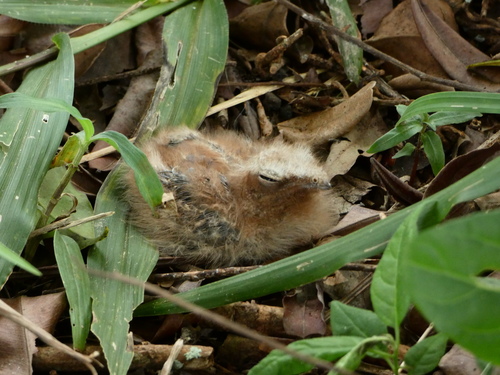 Common Pauraque
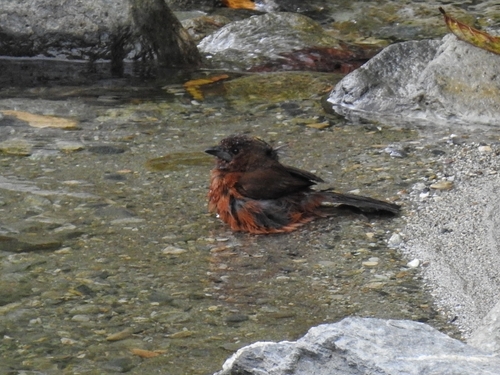 Silver-beaked Tanager
In breve
Il Common Pauraque e il Silver-beaked Tanager sono distinti sia nella struttura che nel comportamento. Il Pauraque è un grande nightjar dalla lunga coda con una distintiva banda bianca sulle ali, mentre il Silver-beaked Tanager è un uccello canoro più piccolo e compatto con un becco argenteo e un piumaggio rosso scuro. I loro habitat e vocalizzazioni differiscono anche significativamente.
Consigli di identificazione
1. Cerca la lunga coda del Pauraque e la banda bianca sulle ali. 2. Nota il becco argenteo del Silver-beaked Tanager e il piumaggio rosso scuro. 3. Osserva il comportamento: i Pauraque sono foraggiatori terrestri, mentre i Tanager sono più arboricoli. 4. Ascolta il canto distintivo del Pauraque nelle pianure tropicali.
Taglia
Il Common Pauraque è più grande e più allungato rispetto al più piccolo e compatto Silver-beaked Tanager.
Piumaggio
Il Pauraque ha intricati motivi di marroni, beige, grigi e neri con una banda bianca sulle primarie, mentre il Silver-beaked Tanager è noto per il suo piumaggio rosso scuro e il becco argenteo contrastante.
Comportamento
Il Pauraque è crepuscolare e terrestre, spesso visto foraggiare a terra, mentre il Silver-beaked Tanager è più arboricolo e attivo durante il giorno.
Habitat
I Common Pauraque si trovano tipicamente nelle pianure tropicali, mentre i Silver-beaked Tanager abitano i bordi delle foreste e le radure.
Voce
Il canto del Pauraque è un 'hip-hip hip-hip hip-hip-hooray' fresco, un suono essenziale delle pianure tropicali. Le vocalizzazioni del Silver-beaked Tanager non sono dettagliate nelle note.
Common Pauraque · Silver-beaked Tanager · I miei uccelli difficili