Birdr

bacurau vs pipira-vermelha

Nyctidromus albicollis versus Ramphocelus carbo

Jogue um quiz com bacurau e pipira-vermelha
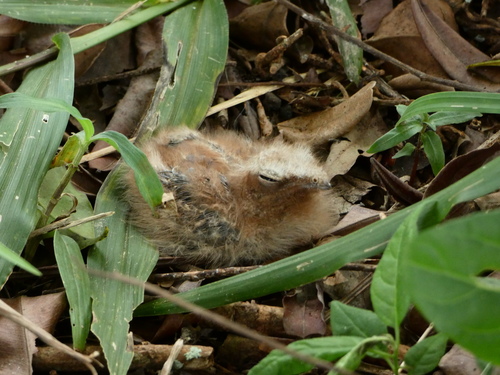
bacurau (Nyctidromus albicollis) bacurau
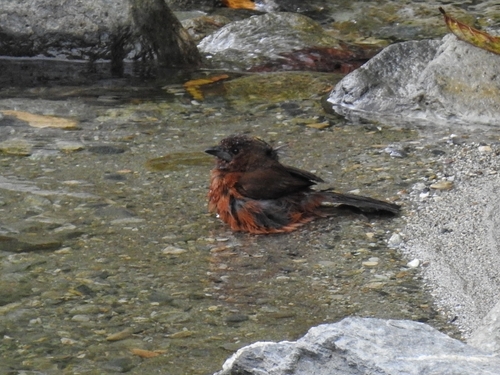
pipira-vermelha (Ramphocelus carbo) pipira-vermelha

Mídia

Carregando…

Em resumo

O bacurau e a pipira-vermelha são distintos tanto em estrutura quanto em comportamento. O bacurau é um grande noitibó com uma longa cauda e uma faixa branca distinta nas asas, enquanto a pipira-vermelha é um pássaro cantor menor e mais compacto, com um bico prateado marcante e plumagem vermelha profunda. Seus habitats e vocalizações também diferem significativamente.

Dicas de identificação

1. Procure pela longa cauda do bacurau e pela faixa branca nas asas. 2. Observe o bico prateado e a plumagem vermelha profunda da pipira-vermelha. 3. Observe o comportamento: os bacurau são forrageadores terrestres, enquanto as pipiras são mais arbóreas. 4. Escute a canção distinta do bacurau nas baixadas tropicais.

Tamanho

O bacurau é maior e mais alongado em comparação com a pipira-vermelha, que é menor e mais compacta.

Plumagem

O bacurau tem padrões intrincados de marrons, bege, cinzas e pretos com uma faixa branca nas primárias, enquanto a pipira-vermelha é conhecida por sua plumagem vermelha profunda e bico prateado contrastante.

Comportamento

O bacurau é crepuscular e terrestre, frequentemente visto forrageando no chão, enquanto a pipira-vermelha é mais arbórea e ativa durante o dia.

Habitat

Os bacurau são tipicamente encontrados em baixadas tropicais, enquanto as pipiras-vermelhas habitam bordas de florestas e clareiras.

Voz

A canção do bacurau é um alegre 'hip-hip hip-hip hip-hip-hooray', um som essencial das baixadas tropicais. As vocalizações da pipira-vermelha não estão detalhadas nas notas.

Enviar uma descrição melhor

Use as mesmas seções da comparação. Seu texto é publicado na hora.

The Common Pauraque and Silver-beaked Tanager are distinct in both structure and behavior. The Pauraque is a large, long-tailed nightjar with a distinctive white band across its wings, while the Silver-beaked Tanager is a smaller, more compact songbird with a striking silver bill and deep red plumage. Their habitats and vocalizations also differ significantly.

1. Look for the Pauraque's long tail and white wing band. 2. Note the Silver-beaked Tanager's silver bill and deep red plumage. 3. Observe behavior: Pauraques are ground foragers, while Tanagers are more arboreal. 4. Listen for the Pauraque's distinctive song in tropical lowlands.

The Common Pauraque is larger and more elongated compared to the smaller, more compact Silver-beaked Tanager.

The Pauraque has intricate patterns of browns, buffs, grays, and blacks with a white band across the primaries, whereas the Silver-beaked Tanager is known for its deep red plumage and contrasting silver bill.

The Pauraque is crepuscular and terrestrial, often seen foraging on the ground, while the Silver-beaked Tanager is more arboreal and active during the day.

Common Pauraques are typically found in tropical lowlands, whereas Silver-beaked Tanagers inhabit forest edges and clearings.

The Pauraque's song is a breezy 'hip-hip hip-hip hip-hip-hooray,' a quintessential sound of the tropical lowlands. The Silver-beaked Tanager's vocalizations are not detailed in the notes.

Descartar as alterações?

Você tem edições não salvas. Se sair agora, elas serão perdidas.

bacurau · pipira-vermelha · Minhas aves difíceis