
Common Pauraque vs White-faced Ibis
Nyctidromus albicollis contro Plegadis chihi
Fai un quiz con Common Pauraque e White-faced Ibis
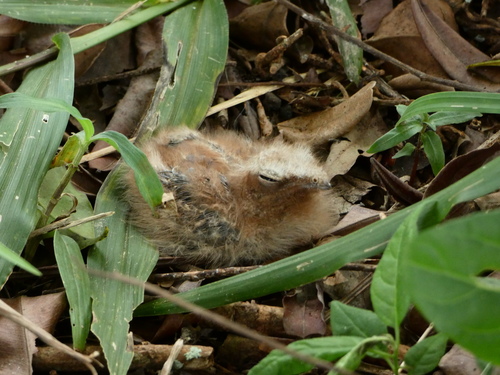 Common Pauraque
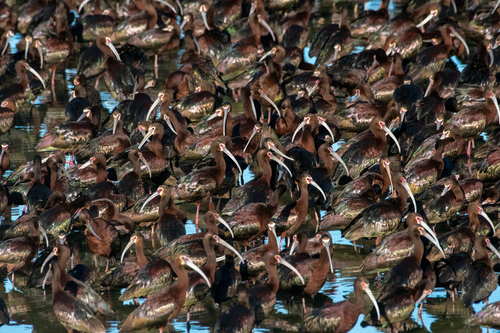 White-faced Ibis
In breve
Il Common Pauraque è un grande nightjar dalla lunga coda con intricati schemi di piumaggio e una distintiva banda bianca sulle primarie, mentre il White-faced Ibis è un uccello acquatico con un lungo becco curvo e piume facciali bianche durante la stagione riproduttiva. Queste specie differiscono significativamente nella struttura e nelle preferenze di habitat.
Consigli di identificazione
Cerca le ali smussate e arrotondate del Pauraque con una banda bianca e la lunga coda con bianco nelle retrici. L'Ibis è identificato dal suo lungo becco curvo e dalle piume facciali bianche durante la stagione riproduttiva. Osserva l'habitat: i Pauraque si trovano nelle pianure tropicali, gli Ibises nelle zone umide.
Taglia
Il Common Pauraque è un grande nightjar, mentre il White-faced Ibis è un uccello acquatico di dimensioni medie.
Piumaggio
Il Pauraque ha un complesso schema di marroni, beige, grigi e neri con una banda bianca sulle ali, mentre l'Ibis ha piume bianche lungo il bordo della pelle facciale durante la riproduzione.
Comportamento
Il Pauraque è crepuscolare e terrestre, spesso cerca cibo a terra, mentre l'Ibis si trova tipicamente a guadare nelle zone umide.
Habitat
I Common Pauraque si trovano nelle pianure tropicali, mentre i White-faced Ibis abitano zone umide d'acqua dolce, paludi e campi allagati.
Voce
Il canto del Pauraque è un 'hip-hip hip-hip hip-hip-hooray' arioso, mentre le vocalizzazioni dell'Ibis non sono indicate nelle informazioni fornite.
Common Pauraque · White-faced Ibis · I miei uccelli difficili