
Common Pauraque vs White-winged Nightjar
Nyctidromus albicollis contro Eleothreptus candicans
Fai un quiz con Common Pauraque e White-winged Nightjar
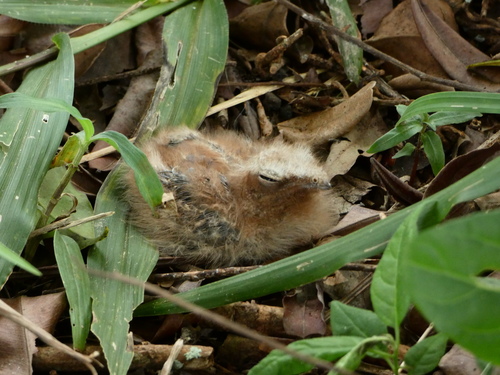 Common Pauraque
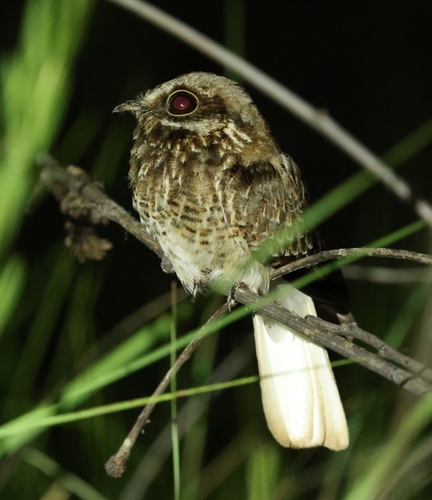 White-winged Nightjar
In breve
Il Common Pauraque e il White-winged Nightjar possono essere distinti dai loro schemi alari e dalle preferenze di habitat. Il Pauraque ha una banda bianca distintiva sulle primarie e una lunga coda arrotondata con sostanziale bianco nelle rectrices, mentre il White-winged Nightjar è noto per le sue macchie bianche sulle ali visibili in volo. Il Pauraque è più diffuso e terrestre, mentre il White-winged Nightjar è limitato a specifici habitat di prateria.
Consigli di identificazione
Cerca la banda bianca sulle primarie e la lunga coda arrotondata con rectrices bianche nel Common Pauraque. Al contrario, osserva le macchie bianche sulle ali del White-winged Nightjar, specialmente quando è in volo. Considera l'habitat: i Pauraque sono più adattabili, mentre i White-winged Nightjar si trovano in aree di prateria specifiche.
Piumaggio
Il Common Pauraque presenta un complesso schema di marroni, beige, grigi e neri con una banda bianca sulle primarie e un significativo bianco nella coda. Al contrario, il White-winged Nightjar è caratterizzato dalle sue macchie bianche sulle ali, particolarmente evidenti in volo.
Comportamento
Il Common Pauraque è particolarmente crepuscolare e terrestre, spesso cerca cibo a terra. Il comportamento del White-winged Nightjar è meno documentato ma è associato al suo specifico habitat di prateria.
Habitat
Il Common Pauraque è diffuso nelle pianure tropicali, mentre il White-winged Nightjar è limitato alle praterie di cerrado del nord della Bolivia, del Brasile centro-meridionale e del Paraguay orientale.
Voce
Il canto del Common Pauraque è un allegro 'hip-hip hip-hip hip-hip-hooray', un suono caratteristico delle pianure tropicali. Non sono fornite informazioni specifiche sulla vocalizzazione del White-winged Nightjar.
Common Pauraque · White-winged Nightjar · I miei uccelli difficili