
Piro piro piccolo vs Piro piro macchiato
Actitis hypoleucos contro Actitis macularius
Fai un quiz con Piro piro piccolo e Piro piro macchiato
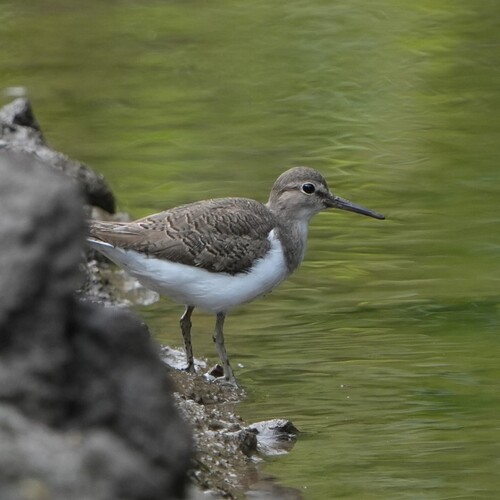 Piro piro piccolo
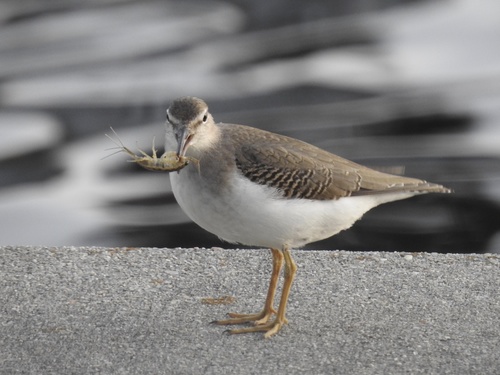 Piro piro macchiato
In breve
Il Piro piro piccolo e il Piro piro macchiato sono molto simili, ma il Piro piro piccolo ha una coda più lunga che si estende oltre le punte delle ali quando è in riposo. In volo, il Piro piro piccolo mostra una banda alare bianca più pronunciata che raggiunge la base dell'ala, mentre la striscia alare del Piro piro macchiato si restringe verso la base.
Consigli di identificazione
1. Tail Length: La coda del Piro piro piccolo si estende più oltre le punte delle ali in riposo. 2. Wingbar in Flight: Il Piro piro piccolo mostra una banda alare bianca che raggiunge la base dell'ala; quella del macchiato si restringe. 3. Underparts: Il Piro piro macchiato ha macchie audaci in piumaggio alternato; il Piro piro piccolo non le ha mai. 4. Behavior: Cerca un dondolio più frequente nel Piro piro macchiato. 5. Calls: Ascolta il 'dee-dee-dee' discendente del Piro piro piccolo rispetto al 'peet-weet' del macchiato.
Taglia
Il Piro piro piccolo è leggermente più grande, con un'apertura alare di 38–41 cm rispetto ai 37–40 cm del Piro piro macchiato.
Piumaggio
Il Piro piro piccolo ha parti superiori di colore marrone-verde con terziali dotati di macchie evidenti e non ha macchie sulle parti inferiori. Il Piro piro macchiato, in piumaggio alternato, mostra macchie nere audaci sulle parti inferiori, che il Piro piro piccolo non mostra mai.
Comportamento
Il Piro piro macchiato mostra un comportamento di dondolio più frequente e evidente rispetto al Piro piro piccolo.
Voce
Il richiamo in volo del Piro piro piccolo è un 'dee-dee-dee' discendente, mentre il richiamo del Piro piro macchiato è un 'peet-weet' acuto o 'weet-weet-weet'.
Piro piro piccolo · Piro piro macchiato · I miei uccelli difficili