
Piro piro piccolo vs Piro piro boschereccio
Actitis hypoleucos contro Tringa glareola
Fai un quiz con Piro piro piccolo e Piro piro boschereccio
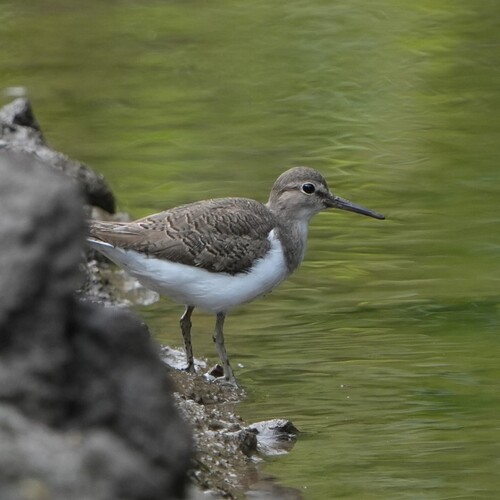 Piro piro piccolo
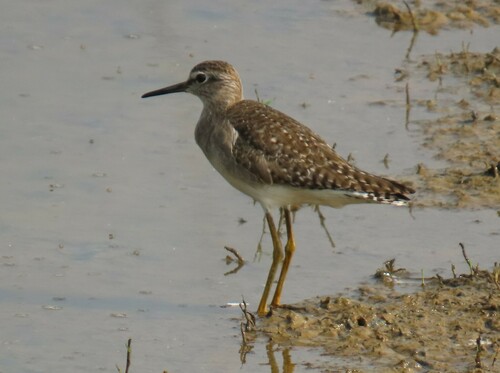 Piro piro boschereccio
In breve
Il Piro piro piccolo e il Piro piro boschereccio possono essere distinti dai loro schemi di volo e dalle marcature delle ali. Il Piro piro piccolo mostra una barra alare bianca più evidente in volo, mentre il Piro piro boschereccio manca di questa caratteristica. Inoltre, il Piro piro piccolo ha una coda più lunga che si estende oltre le ali quando è a riposo.
Consigli di identificazione
1. Cerca la barra alare bianca in volo sul Piro piro piccolo. 2. Controlla la lunghezza della coda a riposo; la coda del Piro piro piccolo si estende oltre le ali. 3. Nota il richiamo quando viene spaventato; il Piro piro piccolo ha una serie distintiva di 'swee-wee-wee'.
Taglia
Il Piro piro piccolo è leggermente più piccolo del Piro piro boschereccio, con un'apertura alare di 38–41 cm rispetto alla dimensione maggiore del Piro piro boschereccio.
Piumaggio
Il Piro piro piccolo ha parti superiori marrone verdastro con macchie scure laterali sul petto e un anello oculare pallido, mentre il Piro piro boschereccio ha tipicamente parti superiori marroni più uniformi senza la barra alare pronunciata vista nel Piro piro piccolo.
Voce
Il richiamo del Piro piro piccolo è una serie rapida e acuta di 'swee-wee-wee', spesso emessa quando viene spaventato, mentre le vocalizzazioni del Piro piro boschereccio non sono dettagliate qui.
Piro piro piccolo · Piro piro boschereccio · I miei uccelli difficili