
Dark-throated Seedeater vs Chestnut Seedeater
Sporophila ruficollis contro Sporophila cinnamomea
Fai un quiz con Dark-throated Seedeater e Chestnut Seedeater
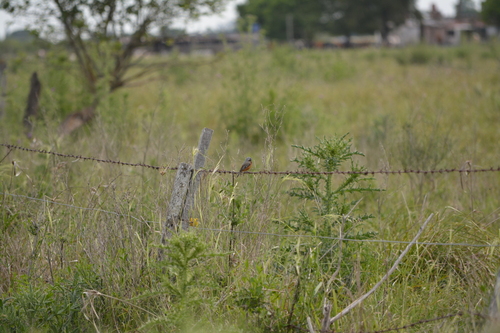 Dark-throated Seedeater
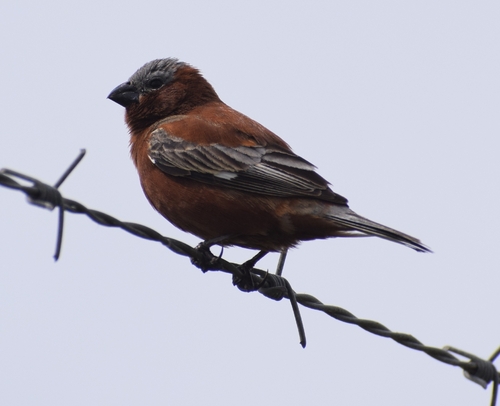 Chestnut Seedeater
In breve
Il maschio del Dark-throated Seedeater si distingue per il suo cappello grigio e la gola di un ricco marrone ruggine, che è più scura del ventre castano. Al contrario, il Chestnut Seedeater manca di questa specifica colorazione della gola, rendendo il colore della gola un segno distintivo chiave. Le femmine di entrambe le specie sono di un marrone opaco e chiaro, rendendole difficili da differenziare.
Consigli di identificazione
- Male Throat Color: Cerca la gola di un ricco marrone ruggine nei maschi del Dark-throated Seedeater, che è più scura del ventre e del cappello.
- Female Identification: Le femmine sono di un marrone chiaro e difficile da identificare a livello di specie.
- Group Behavior: Entrambe le specie possono essere viste in stormi, particolarmente al di fuori della stagione riproduttiva.
Piumaggio
I maschi del Dark-throated Seedeater hanno un cappello grigio e una gola distintiva di un marrone ruggine che è più scura del loro ventre castano. Il Chestnut Seedeater non ha questa pronunciata colorazione della gola.
Comportamento
Entrambe le specie si trovano spesso in gruppi e possono unirsi a stormi di specie miste, specialmente durante la migrazione e la stagione non riproduttiva.
Dark-throated Seedeater · Chestnut Seedeater · I miei uccelli difficili