
Succiacapre vs Violet-backed Starling
Caprimulgus europaeus contro Cinnyricinclus leucogaster
Fai un quiz con Succiacapre e Violet-backed Starling
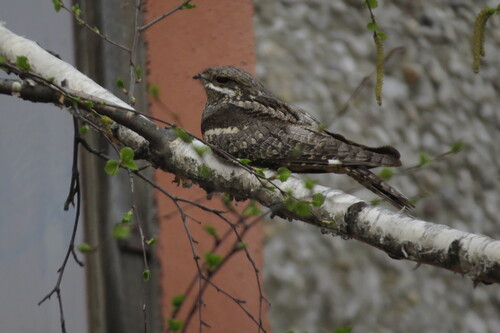 Succiacapre
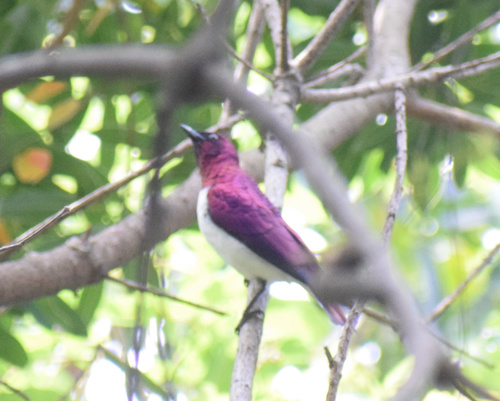 Violet-backed Starling
In breve
Il Succiacapre e il Violet-backed Starling sono facilmente distinguibili per la loro struttura e il loro piumaggio. Il succiacapre ha un aspetto criptico e maculato con macchie bianche nelle ali e nella coda dei maschi, mentre il starling è noto per il suo vibrante dorso viola e le parti inferiori bianche. Queste specie differiscono significativamente in habitat e comportamento, rendendo improbabile la loro confusione sul campo.
Consigli di identificazione
1. Cerca il piumaggio criptico e le macchie bianche nelle ali e nella coda per i maschi Succiacapre. 2. Nota il vibrante dorso viola e le parti inferiori bianche dei maschi Violet-backed Starlings. 3. Considera l'habitat: succiacapre in boschi aperti, starlings ai margini delle foreste. 4. Osserva il comportamento: i succiacapre sono più crepuscolari, gli starlings più attivi durante il giorno.
Piumaggio
I maschi Succiacapre hanno un piumaggio criptico con macchie bianche nelle primarie e nella coda, assenti nelle femmine. I maschi Violet-backed Starling mostrano un sorprendente dorso viola e parti inferiori bianche, mentre le femmine sono più sobrie con toni marroni.
Comportamento
I Succiacapre si affidano al camuffamento, depongono le uova a terra e sono più attivi al crepuscolo e all'alba. I Violet-backed Starlings sono più appariscenti, spesso visti cercare cibo sugli alberi o volare in piccoli gruppi.
Habitat
I Succiacapre si trovano tipicamente in boschi aperti e brughiere, mentre i Violet-backed Starlings abitano ai margini delle foreste e nelle savane.
Succiacapre · Violet-backed Starling · I miei uccelli difficili