
Picchio tridattilo vs Japanese Pygmy Woodpecker
Picoides tridactylus contro Yungipicus kizuki
Fai un quiz con Picchio tridattilo e Japanese Pygmy Woodpecker
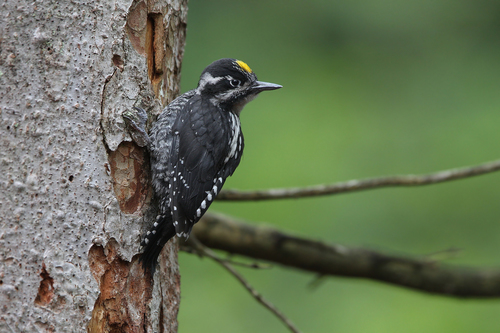 Picchio tridattilo
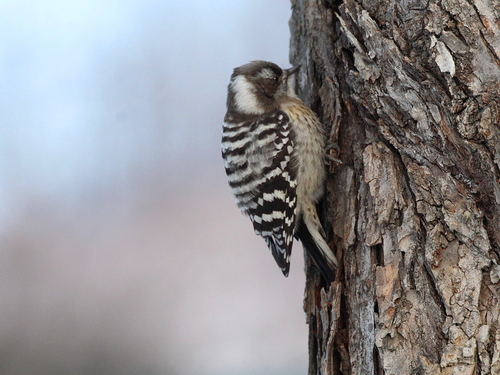 Japanese Pygmy Woodpecker
In breve
Il segno distintivo più affidabile per distinguere il Picchio tridattilo dal Japanese Pygmy Woodpecker è il numero di dita: il Picchio tridattilo ha tre dita, mentre il Japanese Pygmy ha quattro. Entrambe le specie sono piccoli picchi, ma differiscono nel numero di dita e nei dettagli sottili del piumaggio.
Consigli di identificazione
Controlla il numero di dita: Picchio tridattilo ha tre dita, mentre Japanese Pygmy Woodpecker ha quattro. Cerca segni neri e bianchi più contrastanti sulla schiena del Picchio tridattilo.
Piumaggio
Entrambe le specie hanno schemi di piumaggio simili, ma il Picchio tridattilo può mostrare segni neri e bianchi più contrastanti sulla schiena.
Picchio tridattilo · Japanese Pygmy Woodpecker · I miei uccelli difficili