
Gila Woodpecker vs Cactus Wren
Melanerpes uropygialis contro Campylorhynchus brunneicapillus
Fai un quiz con Gila Woodpecker e Cactus Wren
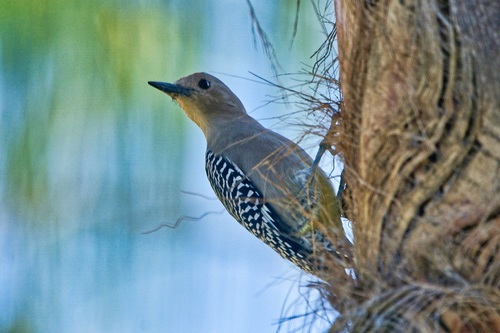 Gila Woodpecker
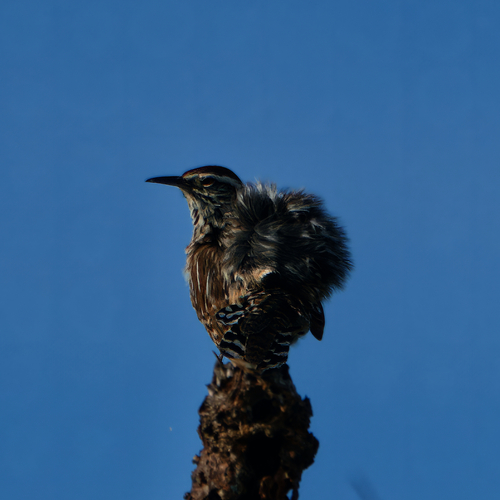 Cactus Wren
In breve
Il Gila Woodpecker e il Cactus Wren possono essere distinti principalmente dalla loro struttura e dalle preferenze di habitat. Il Gila Woodpecker ha un becco dritto, simile a uno scalpello, tipico dei picchi, mentre il Cactus Wren ha un becco più lungo e curvo adatto per sondare. Entrambe le specie sono comuni negli ambienti desertici, ma il Gila Woodpecker è spesso visto sui cactus saguaro, mentre il Cactus Wren preferisce arbusti densi e cactus.
Consigli di identificazione
1. Bill Shape: Cerca il becco dritto e simile a uno scalpello del Gila Woodpecker rispetto al becco più lungo e curvo del Cactus Wren. 2. Habitat: Nota la presenza di cactus saguaro per i Gila Woodpecker; i Cactus Wren si trovano più spesso in arbusti densi. 3. Plumage: Controlla il dorso barrato del Gila Woodpecker e il petto maculato con un sopracciglio bianco del Cactus Wren.
Taglia
Il Gila Woodpecker è generalmente più grande e robusto del Cactus Wren.
Piumaggio
Il Gila Woodpecker ha un dorso barrato bianco e nero e un volto semplice con un cappello rosso nei maschi, mentre il Cactus Wren presenta un petto maculato e un distintivo sopracciglio bianco.
Comportamento
I Gila Woodpecker spesso si aggrappano a superfici verticali come tronchi d'albero o cactus, mentre i Cactus Wren sono più propensi a essere visti saltellare attraverso la vegetazione densa.
Habitat
I Gila Woodpecker si trovano comunemente sui cactus saguaro e su altri alberi grandi, mentre i Cactus Wren preferiscono arbusti densi e cactus più piccoli.