
Greater Sage-Grouse vs Blue-gray Gnatcatcher
Centrocercus urophasianus contro Polioptila caerulea
Fai un quiz con Greater Sage-Grouse e Blue-gray Gnatcatcher
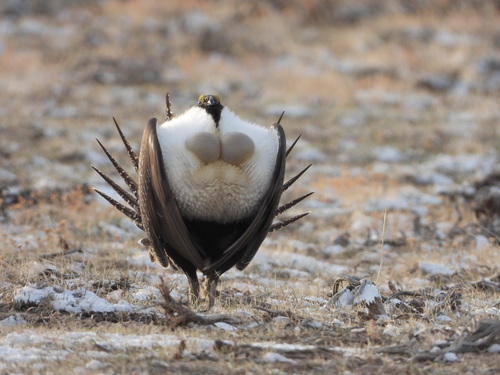 Greater Sage-Grouse
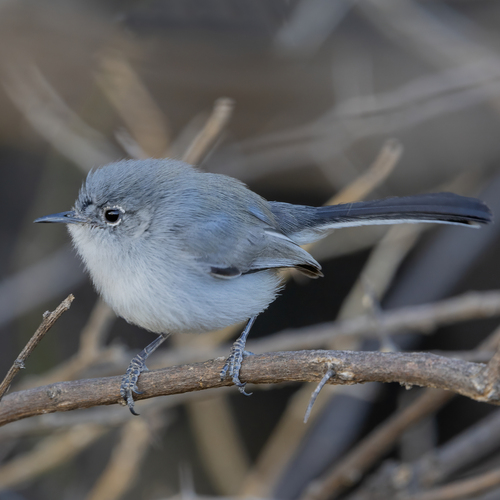 Blue-gray Gnatcatcher
In breve
Il Greater Sage-Grouse e il Blue-gray Gnatcatcher sono molto diversi in apparenza e habitat. Il Greater Sage-Grouse è un grande uccello terrestre che si trova in habitat aperti di salvia, mentre il Blue-gray Gnatcatcher è un piccolo e attivo uccello canoro che abita aree boschive. Le loro dimensioni e preferenze di habitat sono le caratteristiche distintive più affidabili.
Consigli di identificazione
Controlla prima l'habitat: Greater Sage-Grouse in salvia aperta, Blue-gray Gnatcatcher in aree boschive. Differenza di dimensioni: Sage-Grouse è molto più grande. Comportamento: Sage-Grouse si esibisce a terra; Gnatcatcher è attivo sugli alberi.
Taglia
Il Greater Sage-Grouse è significativamente più grande del Blue-gray Gnatcatcher, che è piccolo e delicato.
Piumaggio
Il Greater Sage-Grouse ha un piumaggio più robusto e maculato adatto per il camuffamento nella salvia, mentre il Blue-gray Gnatcatcher ha un aspetto blu-grigio elegante.
Comportamento
Il Greater Sage-Grouse è spesso visto a terra, specialmente durante le sue elaborate esibizioni di corteggiamento, mentre il Blue-gray Gnatcatcher è attivo sugli alberi, raccogliendo insetti dal fogliame.
Habitat
I Greater Sage-Grouse si trovano in habitat aperti di salvia, in contrasto con la preferenza del Blue-gray Gnatcatcher per aree boschive con alberi a foglia larga.
Voce
Il Blue-gray Gnatcatcher ha richiami acuti e nasali, mentre le vocalizzazioni del Greater Sage-Grouse non sono annotate qui.
Greater Sage-Grouse · Blue-gray Gnatcatcher · I miei uccelli difficili