
greater sage-grouse vs blue-gray gnatcatcher
Centrocercus urophasianus versus Polioptila caerulea
Jogue um quiz com greater sage-grouse e blue-gray gnatcatcher
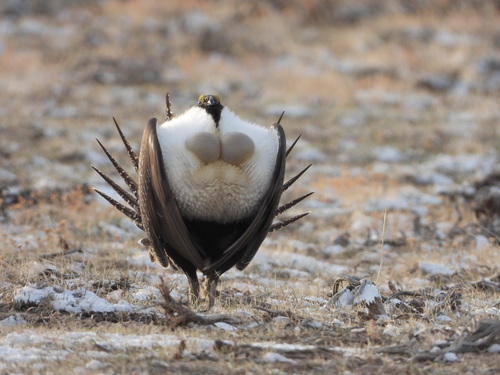 greater sage-grouse
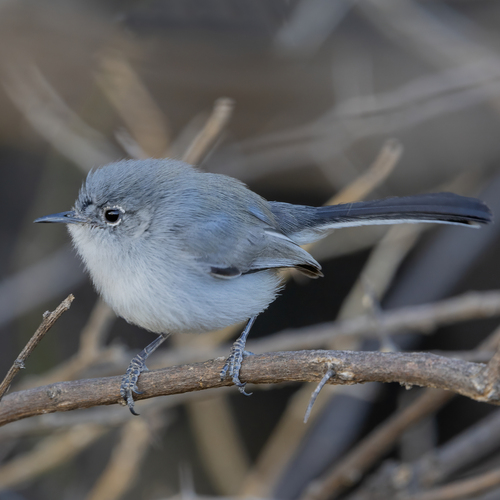 blue-gray gnatcatcher
Em resumo
O greater sage-grouse e o blue-gray gnatcatcher são vastamente diferentes em aparência e habitat. O greater sage-grouse é uma ave grande, que vive no chão, encontrada em habitats abertos de sálvia, enquanto o blue-gray gnatcatcher é um pequeno pássaro cantor ativo que habita áreas arborizadas. Seu tamanho e preferências de habitat são as características distintivas mais confiáveis.
Dicas de identificação
Verifique o habitat primeiro: greater sage-grouse em sálvia aberta, blue-gray gnatcatcher em áreas arborizadas. Diferença de tamanho: sage-grouse é muito maior. Comportamento: sage-grouse exibe no chão; gnatcatcher é ativo nas árvores.
Tamanho
O greater sage-grouse é significativamente maior que o blue-gray gnatcatcher, que é pequeno e delicado.
Plumagem
O greater sage-grouse tem uma plumagem mais robusta e manchada, adequada para camuflagem na sálvia, enquanto o blue-gray gnatcatcher tem uma aparência azul-acinzentada elegante.
Comportamento
O greater sage-grouse é frequentemente visto no chão, especialmente durante suas elaboradas exibições de acasalamento, enquanto o blue-gray gnatcatcher é ativo nas árvores, coletando insetos da folhagem.
Habitat
Os greater sage-grouse são encontrados em habitats abertos de sálvia, contrastando com a preferência do blue-gray gnatcatcher por áreas arborizadas com árvores de folhas largas.
Voz
O blue-gray gnatcatcher tem chamados agudos e nasais, enquanto as vocalizações do greater sage-grouse não são mencionadas aqui.
greater sage-grouse · blue-gray gnatcatcher · Minhas aves difíceis