
Green-backed Honeyeater vs Leaden Honeyeater
Glycichaera fallax contro Ptiloprora plumbea
Fai un quiz con Green-backed Honeyeater e Leaden Honeyeater
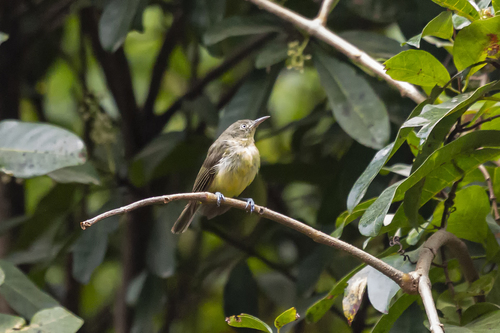 Green-backed Honeyeater
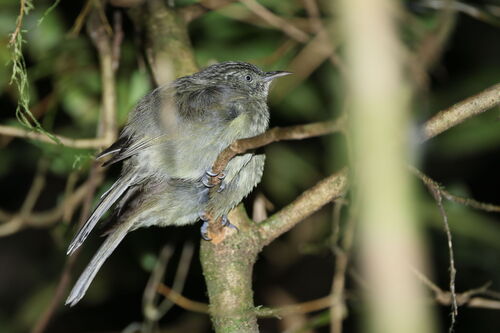 Leaden Honeyeater
In breve
Il Green-backed Honeyeater e il Leaden Honeyeater possono essere differenziati principalmente dalla loro livrea e dalle preferenze di habitat. Il Green-backed Honeyeater mostra tipicamente una colorazione verde più vivace sulla schiena, mentre il Leaden Honeyeater ha un tono più sobrio, piombo o grigiastro. Le preferenze di habitat possono anche aiutare nell'identificazione, poiché potrebbero occupare nicchie ecologiche diverse.
Consigli di identificazione
1. Plumage: Cerca la schiena verde vivace del Green-backed Honeyeater rispetto al tono piombo o grigiastro del Leaden Honeyeater. 2. Habitat: Considera la nicchia ecologica o l'habitat in cui viene osservato l'uccello, poiché questo potrebbe fornire indizi aggiuntivi.
Piumaggio
Il Green-backed Honeyeater ha una colorazione verde più vivace sulla schiena, mentre il Leaden Honeyeater presenta un tono piombo o grigiastro. Questa distinzione di colore è il segno di campo più affidabile quando si differenziano queste due specie.
Habitat
Sebbene le preferenze di habitat specifiche non siano dettagliate, queste specie possono occupare nicchie ecologiche diverse, il che può assistere nell'identificazione se noto.
Green-backed Honeyeater · Leaden Honeyeater · I miei uccelli difficili