Birdr

Green-backed Honeyeater vs Leaden Honeyeater

Glycichaera fallax versus Ptiloprora plumbea

Play a quiz with Green-backed Honeyeater and Leaden Honeyeater
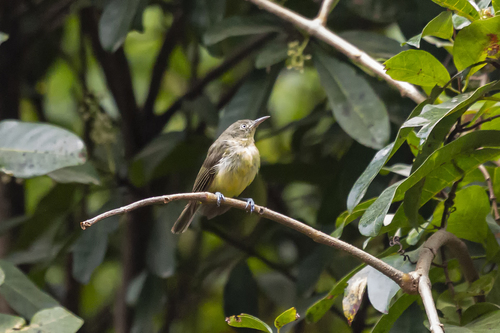
Green-backed Honeyeater (Glycichaera fallax) Green-backed Honeyeater
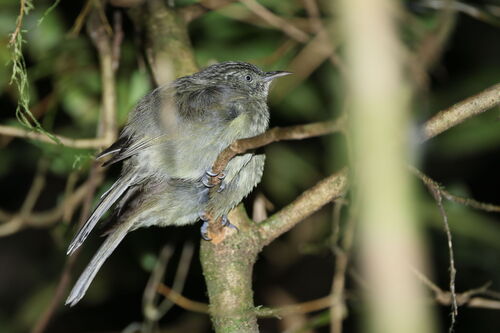
Leaden Honeyeater (Ptiloprora plumbea) Leaden Honeyeater

Media

Loading…

In short

The Green-backed Honeyeater and Leaden Honeyeater are both small honeyeaters, but they differ in plumage and habitat preferences. The Green-backed Honeyeater has a distinctive greenish back, while the Leaden Honeyeater is more uniformly gray. Observing their preferred habitats can also help distinguish them.

Identification tips

  1. Look for the greenish back in the Green-backed Honeyeater. 2. Note the uniform gray plumage of the Leaden Honeyeater. 3. Consider the habitat: lowland vs. montane forests. 4. Pay attention to any vocalizations, although these are not well-documented.

Size

Both species are similar in size, typical of small honeyeaters.

Plumage

The Green-backed Honeyeater has a greenish back and a more contrasting appearance with a paler underbelly. In contrast, the Leaden Honeyeater is more uniformly gray, lacking the greenish tint on the back.

Behaviour

Both species exhibit typical honeyeater behavior, such as active foraging and nectar feeding. Specific behavioral differences are not well-documented.

Habitat

The Green-backed Honeyeater is often found in lowland forests and edges, while the Leaden Honeyeater prefers montane forests. Observing the elevation and type of forest can aid in identification.

Voice

Vocalizations are not well-documented for these species, but differences may exist. Listening for variations in calls could provide additional clues.

Submit a better description

Use the same sections as the comparison. Your text is published immediately.

The Green-backed Honeyeater and Leaden Honeyeater are both small honeyeaters, but they differ in plumage and habitat preferences. The Green-backed Honeyeater has a distinctive greenish back, while the Leaden Honeyeater is more uniformly gray. Observing their preferred habitats can also help distinguish them.

  1. Look for the greenish back in the Green-backed Honeyeater. 2. Note the uniform gray plumage of the Leaden Honeyeater. 3. Consider the habitat: lowland vs. montane forests. 4. Pay attention to any vocalizations, although these are not well-documented.

Both species are similar in size, typical of small honeyeaters.

The Green-backed Honeyeater has a greenish back and a more contrasting appearance with a paler underbelly. In contrast, the Leaden Honeyeater is more uniformly gray, lacking the greenish tint on the back.

Both species exhibit typical honeyeater behavior, such as active foraging and nectar feeding. Specific behavioral differences are not well-documented.

The Green-backed Honeyeater is often found in lowland forests and edges, while the Leaden Honeyeater prefers montane forests. Observing the elevation and type of forest can aid in identification.

Vocalizations are not well-documented for these species, but differences may exist. Listening for variations in calls could provide additional clues.

Discard your changes?

You have unsaved edits. If you leave now, those changes will be lost.

Green-backed Honeyeater · Leaden Honeyeater · My Tricky Birds