Birdr

Piro piro culbianco vs Pettegola

Tringa ochropus contro Tringa totanus

Fai un quiz con Piro piro culbianco e Pettegola
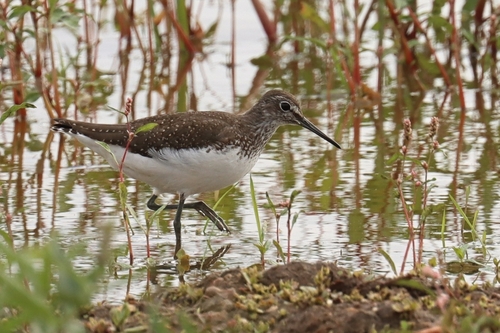
Piro piro culbianco (Tringa ochropus) Piro piro culbianco
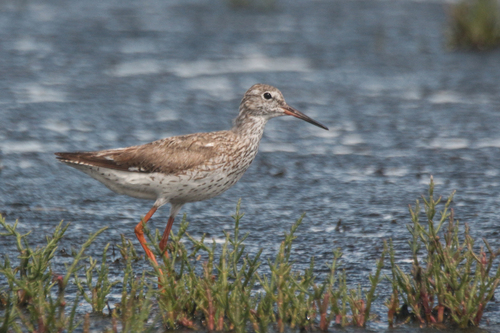
Pettegola (Tringa totanus) Pettegola

Media

Caricamento…

In breve

Il Piro piro culbianco e il Pettegola possono essere distinti principalmente dal colore delle loro gambe e dalla struttura generale. Il Piro piro culbianco ha gambe di un verde scuro e una corporatura più compatta, mentre il Pettegola è noto per le sue gambe rosse brillanti e un aspetto leggermente più grande e robusto.

Consigli di identificazione

  1. Leg Color: Il Piro piro culbianco ha gambe di un verde scuro, mentre il Pettegola ha gambe rosse brillanti. 2. Structure: Il Piro piro culbianco è più compatto, mentre il Pettegola è leggermente più grande e più robusto. 3. Plumage: Il Piro piro culbianco ha parti superiori più scure e più uniformi rispetto all'aspetto maculato del Pettegola.

Taglia

Il Pettegola è leggermente più grande e più robusto rispetto al più compatto Piro piro culbianco.

Piumaggio

I Piro piro culbianco hanno una parte superiore più scura e più uniforme rispetto al Pettegola, che mostra spesso più maculature.

Habitat

Entrambe le specie possono essere trovate in habitat umidi simili, ma il Piro piro culbianco è più probabile che venga visto in ambienti d'acqua dolce, mentre il Pettegola si trova spesso in aree costiere.

Invia una descrizione migliore

Usa le stesse sezioni del confronto. Il testo viene pubblicato subito.

The Green Sandpiper and Common Redshank can be distinguished primarily by their leg color and overall structure. The Green Sandpiper has dark greenish legs and a more compact build, while the Common Redshank is notable for its bright red legs and slightly larger, more robust appearance.

  1. Leg Color: Green Sandpiper has dark greenish legs, while Common Redshank has bright red legs. 2. Structure: Green Sandpiper is more compact, whereas Common Redshank is slightly larger and more robust. 3. Plumage: Green Sandpiper has darker, more uniform upperparts compared to the mottled appearance of the Common Redshank.

The Common Redshank is slightly larger and more robust compared to the more compact Green Sandpiper.

Green Sandpipers have a darker, more uniform upperpart compared to the Common Redshank, which often shows more mottling.

Both species can be found in similar wetland habitats, but the Green Sandpiper is more likely to be seen in freshwater environments, while the Common Redshank is often found in coastal areas.

Scartare le modifiche?

Hai modifiche non salvate. Se esci ora, andranno perse.

Piro piro culbianco · Pettegola · I miei uccelli difficili