
Lesser Nighthawk vs Rufous Nightjar
Chordeiles acutipennis contro Antrostomus rufus
Fai un quiz con Lesser Nighthawk e Rufous Nightjar
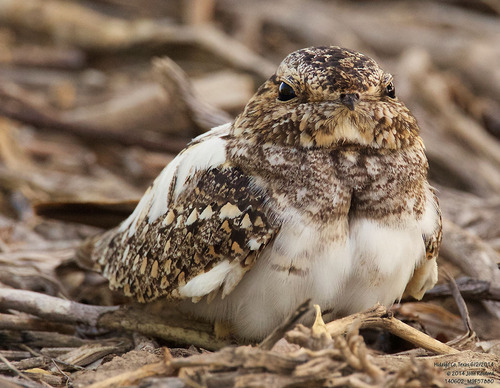 Lesser Nighthawk
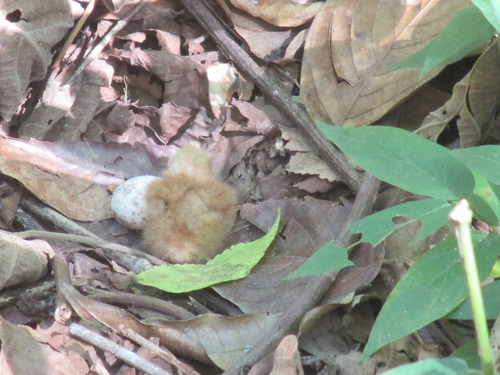 Rufous Nightjar
In breve
Il Lesser Nighthawk e il Rufous Nightjar possono essere distinti dalle loro preferenze di habitat e vocalizzazioni. Il Lesser Nighthawk si trova tipicamente in regioni aride del sud-ovest americano, mentre il Rufous Nightjar è più comune nell'America centrale meridionale e nel nord dell'America del sud. Il distintivo trill simile a un rospo del Lesser Nighthawk contrasta con le vocalizzazioni del Rufous Nightjar.
Consigli di identificazione
- Cerca crescente bianche sulle ali e sulla gola del Lesser Nighthawk.
- Considera l'habitat: regioni aride suggeriscono Lesser Nighthawk, mentre regioni umide suggeriscono Rufous Nightjar.
- Ascolta le vocalizzazioni: un trill simile a un rospo indica Lesser Nighthawk.
Piumaggio
Il Lesser Nighthawk ha colori criptici con marrone maculato, buff e nero, con caratteristiche crescenti bianche sulle ali e sulla gola. Il piumaggio del Rufous Nightjar non è dettagliato nelle note, ma generalmente ha un tono più rufous, come suggerisce il suo nome.
Comportamento
I Lesser Nighthawk spesso cercano cibo in coppie o gruppi familiari e sono noti per percorrere notevoli distanze in cerca di cibo. Sono anche capaci di rimanere torpidi in condizioni di freddo. Il comportamento del Rufous Nightjar non è dettagliato nelle note.
Habitat
I Lesser Nighthawk abitano regioni aride e semi-aride, come la macchia desertica e gli alberi xerofili bassi nel sud-ovest americano. I Rufous Nightjar si trovano nell'America centrale meridionale e nel nord dell'America del sud, tipicamente in ambienti più umidi.
Voce
Il Lesser Nighthawk è noto per il suo distintivo trill simile a un rospo. Le vocalizzazioni del Rufous Nightjar non sono dettagliate nelle note.
Lesser Nighthawk · Rufous Nightjar · I miei uccelli difficili