
bacurau-de-asa-fina vs joão-corta-pau
Chordeiles acutipennis versus Antrostomus rufus
Jogue um quiz com bacurau-de-asa-fina e joão-corta-pau
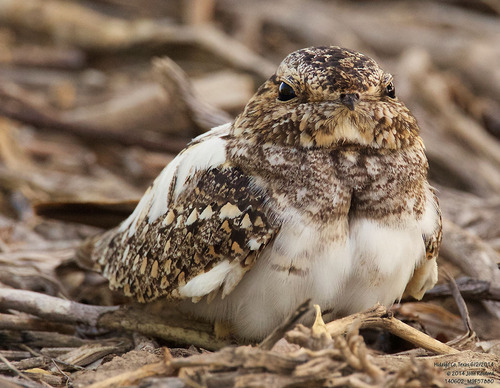 bacurau-de-asa-fina
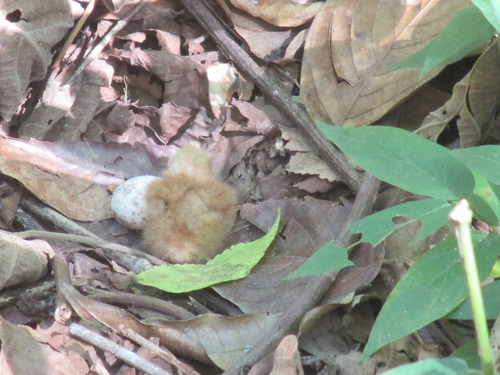 joão-corta-pau
Em resumo
O bacurau-de-asa-fina e o joão-corta-pau podem ser distinguidos por suas preferências de habitat e vocalizações. O bacurau-de-asa-fina é tipicamente encontrado em regiões áridas do sudoeste americano, enquanto o joão-corta-pau é mais comum no sul da América Central e no norte da América do Sul. O distinto trinado semelhante a um sapo do bacurau-de-asa-fina contrasta com as vocalizações do joão-corta-pau.
Dicas de identificação
- Procure por crescente brancas na asa e na garganta do bacurau-de-asa-fina.
- Considere o habitat: regiões áridas sugerem bacurau-de-asa-fina, enquanto regiões úmidas sugerem joão-corta-pau.
- Ouça as vocalizações: um trinado semelhante a um sapo indica bacurau-de-asa-fina.
Plumagem
O bacurau-de-asa-fina tem coloração críptica com marrom manchado, buff e preto, apresentando distintas crescentes brancas em sua asa e garganta. A plumagem do joão-corta-pau não é detalhada nas notas, mas geralmente tem um tom mais ruivo, como sugere seu nome.
Comportamento
Os bacurau-de-asa-fina frequentemente forrageiam em pares ou grupos familiares e são conhecidos por percorrer consideráveis distâncias em busca de alimento. Eles também são capazes de permanecer torpidos em clima frio. O comportamento do joão-corta-pau não é detalhado nas notas.
Habitat
Os bacurau-de-asa-fina habitam regiões áridas e semiáridas, como arbustos desérticos e árvores xerofíticas baixas no sudoeste americano. Os joão-corta-pau ocorrem no sul da América Central e no norte da América do Sul, tipicamente em ambientes mais úmidos.
Voz
O bacurau-de-asa-fina é conhecido por seu distinto trinado semelhante a um sapo. As vocalizações do joão-corta-pau não são detalhadas nas notas.