
Little Cuckoo-Dove vs Red-cheeked Cordonbleu
Macropygia ruficeps contro Uraeginthus bengalus
Fai un quiz con Little Cuckoo-Dove e Red-cheeked Cordonbleu
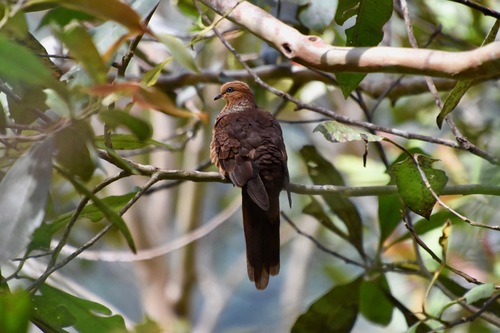 Little Cuckoo-Dove
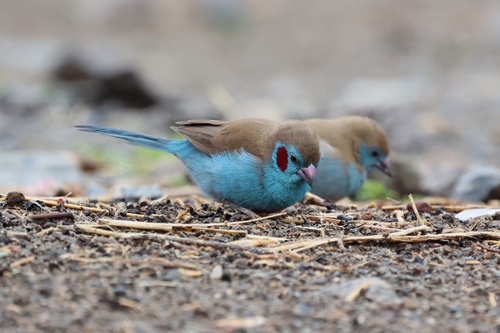 Red-cheeked Cordonbleu
In breve
Il modo più affidabile per separare il Little Cuckoo-Dove dal Red-cheeked Cordonbleu è la dimensione e la struttura: il cuckoo-dove è un piccione rosso con una coda lunga e molto più grande, mentre il cordonbleu è un piccolo e delicato fringillide con un piumaggio blu e marrone e, nei maschi, una distintiva macchia rossa sulla guancia. I cordonbleu immaturi mancano della guancia rossa e hanno solo blu sul viso e sulla gola, ma sono comunque inconfondibilmente piccoli e simili a fringillidi. La colorazione cannella-buff e la lunga coda del cuckoo-dove sono uniche tra i piccioni nella sua area, e non mostrano mai i colori facciali blu o rossi del cordonbleu. Anche a distanza, la differenza nella dimensione e nella forma del corpo è drammatica.
Consigli di identificazione
- Size is the most immediate clue: Little Cuckoo-Dove è quasi tre volte la lunghezza e oltre otto volte la massa del Red-cheeked Cordonbleu. Se l'uccello sembra delle dimensioni di un piccione, non può essere un cordonbleu.
- Tail shape and length: Il cuckoo-dove ha una lunga coda graduata tipica dei cuckoo-doves, mentre la coda del cordonbleu è lunga ma sottile e appuntita, adatta a un piccolo fringillide.
- Bill structure: Il cuckoo-dove ha un becco robusto, simile a quello di un piccione (marrone con punta nera); il cordonbleu ha un becco corto e conico, di colore chiaro.
- Plumage color: Little Cuckoo-Dove è di colore cannella-buff a marrone rossastro in tutto, senza mai mostrare blu o rosso sul viso. I maschi del cordonbleu hanno ampie aree blu sul viso, sul petto e sui fianchi, con una macchia rossa sulla guancia; le femmine e gli immaturi sono più opachi ma mostrano sempre un po' di blu sul viso e ali marroni.
- Red cheek patch: Solo i cordonbleus maschi adulti hanno una macchia rossa sulla guancia (a volte arancione/giallastra). Nessuna età o sesso del cuckoo-dove mostra alcuna macchia facciale.
- Iris color: Il cuckoo-dove ha occhi bianco-grigiastro, che possono essere visibili a distanza ravvicinata. Il colore degli occhi del cordonbleu non è distintivo sul campo.
- Feet color: Il cuckoo-dove ha piedi rosso corallo, un segno sottile ma a volte visibile quando è posato.
- Flight style: Il cuckoo-dove vola con forti battiti d'ala diretti e planate, tipici dei piccioni. Il cordonbleu ha un volo rapido e ondulato, tipico dei piccoli fringillidi.
- Perching posture: Il cuckoo-dove si posiziona eretto, spesso sugli alberi. Il cordonbleu si posiziona orizzontalmente, spesso basso o a terra.
- Group behavior: I cuckoo-doves sono spesso in sciami sciolti, a volte nella chioma degli alberi. I cordonbleus sono solitamente in coppie o piccoli gruppi, nutrendosi a terra.
- Habitat context: Se ti trovi in una foresta o bosco del Sud-est asiatico, è possibile vedere un cuckoo-dove; in un paese africano secco e aperto, è probabile vedere solo un cordonbleu. Non si trovano insieme.
- Geographic range: Il cuckoo-dove si trova nel Sud-est asiatico; il cordonbleu nell'Africa subsahariana. Qualsiasi avvistamento al di fuori di queste regioni è probabilmente un errore di identificazione o un fuggitivo.
- Juvenile/immature confusion: I cordonbleu immaturi mancano della guancia rossa e hanno meno blu, ma sono comunque piccoli e simili a fringillidi, mai rossastri o a forma di piccione. Nessuna età del cuckoo-dove mostra blu o una struttura simile a un piccolo fringillide.
- Sex differences: Solo i cordonbleus maschi hanno la guancia rossa; le femmine e gli immaturi ne sono privi ma mantengono il blu sul viso. I sessi del cuckoo-dove sono simili.
- No blue in cuckoo-dove: Qualsiasi accenno di blu su viso, petto o fianchi esclude il cuckoo-dove a tutte le età.
Taglia
Little Cuckoo-Dove è notevolmente più grande, pesando circa 82 g e misurando 27–30 cm di lunghezza, con una lunga coda e una robusta struttura da piccione. Red-cheeked Cordonbleu è uno dei più piccoli fringillidi, intorno ai 9,9 g e lungo solo 12,5–13 cm, con un corpo snello e delicato e una coda sottile e appuntita. Anche senza un confronto diretto, il divario di dimensioni è estremo—nessun sovrapposizione. Attraverso i binocoli, il cuckoo-dove apparirà delle dimensioni di un piccione, il cordonbleu delle dimensioni di un passero o più piccolo.
Piumaggio
Nessuna età o modello di volo specifico è descritto per nessuna delle due specie, quindi ci si concentra sulla colorazione generale e sul modello del viso. Il Little Cuckoo-Dove adulto è uniformemente di colore cannella-buff a marrone rossastro, con una lunga coda graduata e occhi bianco-grigiastro. Il becco è marrone con una punta nera, e i piedi sono rossi corallo. Non ci sono marcature facciali blu o rosse a nessuna età. I maschi adulti del Red-cheeked Cordonbleu hanno blu dal viso al petto e ai fianchi, una macchia rossa sulla guancia, ali marroni e una lunga coda sottile; le femmine sono più opache, mancano della guancia rossa e hanno meno blu, mentre gli immaturi assomigliano alle femmine ma con blu solo sul viso e sulla gola. Il cordonbleu non mostra mai le tonalità rossastre uniformi o le caratteristiche simili a quelle del piccione del cuckoo-dove. In tutte le età, il contrasto blu e marrone del cordonbleu è diagnostico, così come la guancia rossa del maschio.
Comportamento
Little Cuckoo-Dove è tipicamente visto in sciami sciolti, spesso posato sugli alberi o volando con battiti d'ala lenti e diretti, tipici dei piccioni. I suoi movimenti sono più ponderati e si posiziona eretto. Red-cheeked Cordonbleu è un fringillide che si nutre a terra, solitamente cercando semi in coppie o piccoli gruppi, spesso su terreno aperto o basso nell'erba. Il suo volo è rapido e ondulato, e si posiziona con una postura orizzontale. I comportamenti delle due specie raramente si sovrappongono, con il cuckoo-dove che raramente si nutre a terra e il cordonbleu che raramente si posiziona in alto sugli alberi.
Habitat
Little Cuckoo-Dove abita aree boschive e foreste nel Sud-est asiatico, dalle pianure alle colline, spesso in regioni umide o semi-umide. Red-cheeked Cordonbleu si trova in habitat aperti e secchi dell'Africa subsahariana, come savane, giardini e terreni coltivati. Le loro aree non si sovrappongono geograficamente, e i loro habitat preferiti sono molto diversi: foresta per il cuckoo-dove, paese secco aperto per il cordonbleu.
Little Cuckoo-Dove · Red-cheeked Cordonbleu · I miei uccelli difficili