
Limnodromo pettorossiccio vs Beccaccino
Limnodromus scolopaceus contro Gallinago gallinago
Fai un quiz con Limnodromo pettorossiccio e Beccaccino
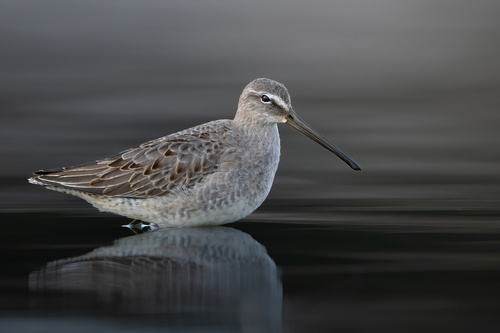 Limnodromo pettorossiccio
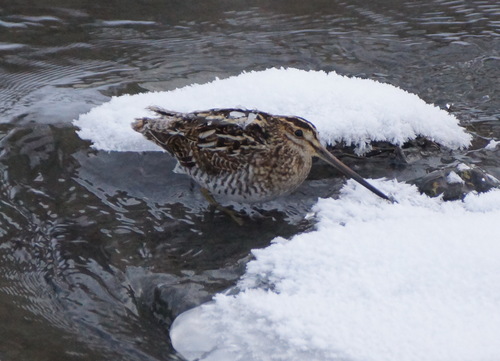 Beccaccino
In breve
Il segno di campo più affidabile tra Limnodromo pettorossiccio e Beccaccino è il grande e luminoso sottocoda bianco e la parte superiore della coda visibili in volo su Limnodromo pettorossiccio di qualsiasi età, che contrasta con la coda più criptica e barrata del Beccaccino e l'assenza di un sottocoda bianco. I limnodromi giovanili e adulti mostrano anche un'ala superiore più uniforme e mancano delle audaci strisce chiare e del forte contrasto scapolare dei beccaccini. Strutturalmente, i limnodromi hanno un becco più lungo e sono più compatti, spesso sondando con un rapido movimento a 'macchina da cucire', mentre i beccaccini appaiono più snelli e criptici, alzandosi in volo con un volo a zig-zag. In abito non riproduttivo, entrambi possono apparire grigi e sono facilmente confusi, ma il modello di sottocoda e coda in volo, e la lunghezza e forma del becco, rimangono affidabili. Ascolta le differenze nei richiami se visti in volo o spaventati.
Consigli di identificazione
- Sottocoda bianco in volo (tutte le età): Limnodromo pettorossiccio mostra un grande e luminoso sottocoda bianco e la parte superiore della coda che si estende lungo la schiena, visibile solo quando l'uccello decolla o vola; il Beccaccino non ha questo, mostrando una coda cripticamente barrata e un sottocoda.
- Barratura della coda: La coda del limnodromo è barrata di nero e bianco, con barre nere due volte più larghe di quelle bianche; la coda del beccaccino è più uniformemente e finemente barrata, fondendosi con il resto delle parti superiori.
- Modello dell'ala superiore e scapolare (giovani/immaturi): I limnodromi giovanili hanno ali superiori scure e semplici con parti superiori frangiate di castano e terziali opachi; i giovani e gli adulti beccaccini hanno audaci strisce chiare sull'ala superiore e sulle scapole, specialmente evidenti in volo.
- Lunghezza e forma del becco: Il becco del limnodromo è molto lungo (circa il doppio della lunghezza della testa), dritto e nero con una base giallastra; il becco del beccaccino è anch'esso lungo ma leggermente più corto e appare più delicato in proporzione alla testa.
- Modello del viso: Il beccaccino mostra una forte striscia oculare scura con un supercilio chiaro sopra e sotto; il limnodromo ha un supercilio biancastro e una striscia loriale scura, ma il contrasto facciale è meno marcato.
- Parte inferiore in abito riproduttivo: Il limnodromo è ricco di ruggine sotto con barrature nere e fianchi bianchi; il beccaccino è pallido sotto senza ruggine e con meno barrature.
- Abito non riproduttivo/invernale: Entrambi diventano grigi, ma il limnodromo rimane più uniforme con un petto grigio e una pancia bianca, mentre il beccaccino mantiene alcune macchie e un modello facciale più forte.
- Comportamento alimentare: I limnodromi si nutrono apertamente in acque poco profonde con rapidi e ripetuti sondaggi del becco ('macchina da cucire'); i beccaccini sondano più lentamente e sono spesso nascosti, spaventandosi solo quando si avvicinano.
- Stile di volo: Il beccaccino si alza in volo con un rapido volo a zig-zag e torna rapidamente a coprirsi; il limnodromo decolla in modo più diretto e può circolare prima di atterrare di nuovo.
- Display di corteggiamento: I maschi beccaccini eseguono un volo alto e circolare con tuffi poco profondi, producendo un suono meccanico di 'tamburo'; i limnodromi non tamburano, ma possono inseguire le femmine in volo.
- Preferenza dell'habitat: I limnodromi favoriscono acque dolci aperte e poco profonde; i beccaccini preferiscono paludi dense e umide e sono meno probabili da vedere all'aperto.
- Dimensione del gruppo: I limnodromi si nutrono spesso in gruppi; i beccaccini sono solitamente solitari o in piccoli gruppi.
- Voce: Il limnodromo emette un richiamo acuto e acuto in volo; il beccaccino emette un richiamo acuto 'scape' quando spaventato e una particolare esibizione di tamburo.
- Differenze sessuali: Non sono separabili in modo affidabile sul campo per nessuna delle due specie; entrambi i sessi sembrano simili.
- Insidie: In abito invernale opaco, entrambi possono apparire grigi e senza motivo; fai affidamento su sottocoda/coda in volo, lunghezza del becco e comportamento alimentare per la separazione.
Taglia
Nonostante le apparenze, il Beccaccino è leggermente più pesante in media (119,5 g contro 104,0 g per Limnodromo pettorossiccio [wikidata]), ma entrambi sono trampolieri di taglia media e robusti. Sul campo, i beccaccini possono apparire più lunghi e snelli a causa della loro postura e della proiezione della coda più lunga, mentre i limnodromi appaiono più compatti e pesanti nella parte anteriore, accentuati dal loro becco molto lungo e dritto. Entrambi hanno una lunghezza e un'apertura alare simili, ma queste differenze sono sottili e meglio utilizzate come segni di supporto.
Piumaggio
-
Uccelli giovanili/immaturi in volo: Limnodromo pettorossiccio di tutte le età mostra un grande e luminoso sottocoda bianco e la parte superiore della coda che si estende sulla schiena, visibile solo in volo, con una coda barrata di nero e bianco (le barre nere sono due volte più larghe di quelle bianche). I limnodromi giovanili hanno parti superiori frangiate di castano e terziali che sono grigio scuro con bordi buff stretti e marcature interne molto opache. Il Beccaccino, al contrario, non ha un sottocoda bianco; la sua coda è cripticamente barrata e non così evidente in volo, e l'ala superiore mostra audaci strisce chiare e un forte contrasto scapolare, specialmente evidente in volo o quando spaventato. Le parti superiori del beccaccino sono macchiate di marrone con strisce giallo paglia, e il modello del viso è più nettamente definito con una striscia oculare scura e un supercilio chiaro.
-
Abito riproduttivo adulto: Il Limnodromo pettorossiccio è rugginoso sotto con barrature nere sul petto e barrature bianche sui fianchi, oltre a una corona scura. Il Beccaccino è più criptico, macchiato di marrone sopra con strisce giallo paglia e pallido sotto, privo del ricco ruggine e delle barrature del limnodromo.
-
Abito non riproduttivo/invernale: Entrambi diventano più opachi e grigi, ma il limnodromo mantiene il sottocoda bianco in volo e un petto grigio più uniforme, mentre il beccaccino rimane più patternato sopra e sotto con un forte modello di striscia facciale.
-
Sessi: Entrambe le specie sono simili tra i sessi; le femmine di limnodromo sono leggermente più pesanti e con un becco più lungo, ma questo non è diagnostico sul campo.
Comportamento
I Limnodromi pettorossicci si nutrono in acque dolci poco profonde sondando rapidamente con i loro becchi in un movimento a 'macchina da cucire', spesso in gruppi. Sono più probabili da vedere mentre si muovono apertamente. I Beccaccini sono timidi, solitari o in piccoli gruppi, e preferiscono rimanere nascosti in vegetazione densa, spaventandosi solo quando si avvicinano. Il loro volo è erratico e a zig-zag, rendendoli più difficili da seguire. I beccaccini eseguono anche un volo di esibizione unico di 'vorticoso', producendo un suono di tamburo con le loro penne della coda durante il corteggiamento, cosa che i limnodromi non fanno.
Habitat
I Limnodromi pettorossicci si trovano più spesso in habitat di acqua dolce aperti e poco profondi come paludi, campi allagati e bordi di stagni, specialmente durante la migrazione e l'inverno. I Beccaccini sono più strettamente associati a paludi dense e umide, torbiere e prati umidi, spesso in aree con una copertura fitta. Sebbene entrambi possano sovrapporsi negli habitat umidi, i beccaccini sono più probabili da spaventare dalla vegetazione densa, mentre i limnodromi sono più spesso visti nutrirsi all'aperto.
Voce
La migliore separazione per suono è in volo: il Limnodromo pettorossiccio emette un richiamo acuto e acuto (non descritto in dettaglio qui), che è un segno di campo chiave, specialmente in inverno quando l'abito è simile. Il Beccaccino, quando spaventato, emette un richiamo acuto 'scape, scape' e, durante l'esibizione, produce un suono unico di 'tamburo' o 'vorticoso' con le sue penne della coda. I limnodromi non producono questo tamburo meccanico.
Limnodromo pettorossiccio · Beccaccino · I miei uccelli difficili