
Malaysian Blue-banded Kingfisher vs Rufous-backed Dwarf-Kingfisher
Alcedo peninsulae contro Ceyx rufidorsa
Fai un quiz con Malaysian Blue-banded Kingfisher e Rufous-backed Dwarf-Kingfisher
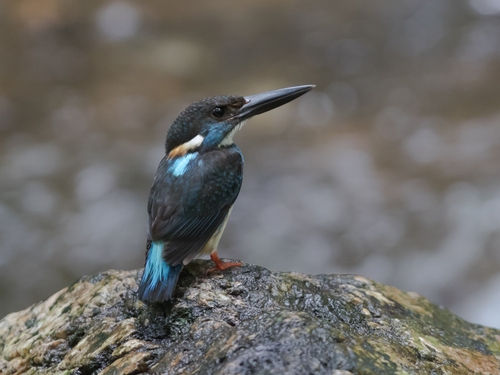 Malaysian Blue-banded Kingfisher
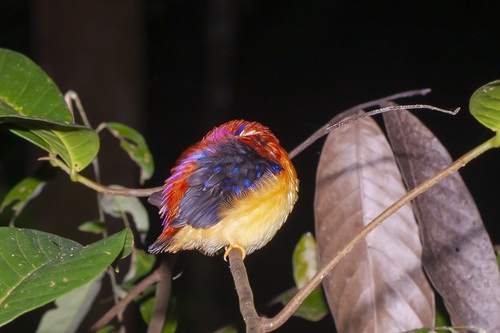 Rufous-backed Dwarf-Kingfisher
In breve
Il Malaysian Blue-banded Kingfisher e il Rufous-backed Dwarf-Kingfisher possono essere distinti per il loro piumaggio e le preferenze di habitat. Il Malaysian Blue-banded Kingfisher ha tipicamente una banda blu più pronunciata, mentre il Rufous-backed Dwarf-Kingfisher è noto per il suo dorso rufous. Comportamentalmente, il Rufous-backed Dwarf-Kingfisher è meno associato all'acqua rispetto alla specie malese.
Consigli di identificazione
Cerca la banda blu sul petto del Malaysian Blue-banded Kingfisher e il dorso rufous del Rufous-backed Dwarf-Kingfisher. Considera l'habitat: vicino all'acqua per la specie malese e aree boschive per la specie rufous.
Piumaggio
Il Malaysian Blue-banded Kingfisher presenta una distintiva banda blu sul petto, mentre il Rufous-backed Dwarf-Kingfisher ha un notevole dorso rufous. Queste differenze nel piumaggio sono fondamentali per distinguere tra i due.
Comportamento
Il Rufous-backed Dwarf-Kingfisher è spesso visto volare rapidamente attraverso le foreste ed è meno associato all'acqua, foraggiando frequentemente prede terrestri. Al contrario, il Malaysian Blue-banded Kingfisher è più probabile che si trovi vicino ai corpi d'acqua.
Habitat
Il Rufous-backed Dwarf-Kingfisher non si trova sempre vicino all'acqua e può essere visto in aree boschive, mentre il Malaysian Blue-banded Kingfisher è più tipicamente associato a ambienti acquatici.
Malaysian Blue-banded Kingfisher · Rufous-backed Dwarf-Kingfisher · I miei uccelli difficili